/filters:format(jpeg,png)/fit-in/300x300/users/cd8ae681-8985-4468-9d6f-f9587e6e9715/company-logo/image-2025-03-29t135022.4811.png)
/filters:format(jpeg,png)/fit-in/237x80/users/cd8ae681-8985-4468-9d6f-f9587e6e9715/company-logo/image-2025-03-29t135022.4811.png)
Minnesota Bear Hunting Season 2026 Guide
%2Ffit-in%2F1000x1000%2Ffilters%3Aformat(webp)%2Fguide_websites%2F29391%2Fimages%2F1743351723591image-2025-03-29t124532.627.png&w=1920&q=75)
Published: September 25, 2026
Minnesota's black bear population thrives across the state's northern forests, wetlands, and mixed agricultural landscapes. Managing that population requires carefully established hunting seasons, permit areas, and licensing rules that hunters must understand before entering the field. For the 2026 season, preparation starts well before September, with important deadlines affecting lottery applications, surplus licenses, baiting, and opening day. Hunters also need to understand how quota and no-quota areas differ and how seasonal feeding behavior can influence bear movement. From securing the proper license to choosing a suitable hunting area, each decision can affect how smoothly the season unfolds. Knowing the regulations, planning around critical dates, and understanding changing food patterns can help hunters approach bear hunting Minnesota with greater confidence and responsible preparation.
The 2026 Legal Calendar and Critical Deadlines
Success on a Minnesota bear hunt begins months before you ever step into the woods. The state manages its harvest windows with strict administrative deadlines that hunters must meet to secure a valid tag.
May 1, 2026: Lottery Deadline
Hunters seeking licenses for designated Quota Areas must complete their lottery applications through the Minnesota DNR licensing system by the applicable deadline.
August 1, 2026: Surplus Licensing
Remaining licenses may become available during the surplus licensing period after the initial drawing. Availability depends on the number of licenses left in individual areas.
August 14, 2026: Baiting Opens
Under the dates provided for the 2026 season, hunters can begin establishing and maintaining legal bait stations two weeks before opening day.
September 1, 2026: Opening Day
The 2026 bear hunting season begins. Hunters must follow the regulations, permit-area restrictions, and legal shooting hours applicable to their license.
October 18, 2026: Season Closes
The hunting season ends, meaning hunters must stop pursuing bears after the applicable closing time. Post-season requirements for bait stations and equipment must also be followed.
Key preparation points:
- Complete lottery applications before the stated deadline.
- Check surplus license availability if applicable.
- Wait until the legal baiting period begins before preparing bait sites.
- Confirm your permit area before hunting.
- Verify current shooting hours and season dates before every hunt.
Anyone preparing for MN bear hunting season should confirm these dates with the current Minnesota DNR regulations because hunting rules and administrative dates can change.
Quota vs. No-Quota Zones: Understanding the Boundary System
Minnesota divides bear hunting opportunities into different management areas to regulate harvest levels and manage regional populations. The permit area attached to your hunt determines which licensing process applies.
The Quota Areas
Quota Areas are managed with limited licenses because harvest levels must remain within established population-management targets. Hunters interested in these areas need to plan well ahead of the season.
- Limited Availability: The number of available licenses is capped within each designated area.
- Lottery System: Hunters seeking quota licenses must apply through the appropriate DNR process.
- Preference Points: Previous applications can influence lottery opportunities, although the number needed to draw can vary between permit areas and seasons.
- Northern Habitat: Many highly sought-after hunting areas are located across northern Minnesota's extensive forest country.
- Boundary Verification: Always confirm the exact permit area associated with the property where you intend to hunt.
The No-Quota Area
No-Quota Areas follow a different licensing structure and can provide an alternative for hunters who do not obtain a limited quota license.
- License Availability: Licenses may be purchased without participating in the same limited quota drawing process.
- Habitat Differences: These areas can include agricultural land, woodlots, river corridors, and mixed forest.
- Food Sources: Bears may take advantage of naturally occurring foods as well as agricultural crops available within their range.
- Hunting Conditions: Terrain, bear density, food availability, and hunting pressure can differ significantly from northern forest areas.
- Regulation Compliance: A no-quota designation does not eliminate licensing requirements or other hunting regulations.
Before applying or purchasing a license, hunters should check current MN bear hunting zones information and verify the DNR's official boundaries for the specific year and hunting location.
The Science of the Hunt: Hyperphagia and Early-Season Timing
Black bears undergo major changes in feeding behavior as summer gives way to fall. Those changes influence movement, habitat use, and the availability of natural food across Minnesota's forests.
Hyperphagia and the Fall Feeding Drive
As winter approaches, black bears enter hyperphagia, a period of intensified feeding that helps them build energy reserves before denning.
- Increased Food Intake: Bears spend substantial portions of their active hours searching for calorie-rich foods.
- Changing Preferences: Available foods can include berries, nuts, insects, agricultural crops, and other seasonal sources.
- Movement Patterns: Bears may travel between feeding areas as different food sources become available.
- Habitat Selection: Forest edges, hardwood stands, wetlands, agricultural fields, and other productive areas can become important depending on conditions.
- Scouting Value: Understanding what food is available locally can provide useful context when evaluating bear activity.
Why Early Season Can Be Different
The first part of the hunting season can present different conditions from later weeks because natural food sources continue changing throughout fall.
- Early Season: Bears may respond strongly to established food sources while certain natural foods are still developing.
- Mid-Season: Acorns, berries, nuts, and other mast crops can influence movement as they become available.
- Later Season: Increased natural food availability can spread bear activity across a wider area.
- Weather Changes: Temperature, rainfall, wind, and changing daylight can affect when and where bears move.
- Continued Observation: Current signs and food conditions are more useful than relying entirely on a pattern observed earlier in the season.
For hunters pursuing Minnesota black bear hunting, recognizing these biological and environmental changes can help explain why bear activity may shift as the season progresses.
The Rules of Engagement: Minnesota DNR Baiting Regulations
Bear baiting can create a consistent location for observing bear activity, but every station must comply with Minnesota's hunting laws. Careful preparation helps prevent avoidable violations during the season.
The Container Ban
On public lands, bait cannot be placed in prohibited containers such as metal drums, plastic barrels, glass, or cloth containers. Hunters must follow the DNR's requirements for how bait is positioned and contained at a station.
Bait Station Limits
Hunters are limited in the number of active bait stations they may establish and maintain. Each station must also be properly identified according to current DNR requirements.
Material Restrictions
Bait materials must comply with state restrictions designed to protect wildlife and reduce disease concerns. Hunters should review the current regulations before selecting food products, attractants, or other materials for a station.
Before Setting a Station
- Confirm that baiting is legal on the property you plan to hunt.
- Check the current DNR rules for permitted containers and bait materials.
- Mark the station according to the applicable identification requirements.
- Keep records of your active stations and their locations.
- Remove bait and equipment according to post-season requirements.
Because regulations can change, hunters should verify the latest bear hunting regulations MN requirements with the Minnesota DNR before establishing or maintaining a bait station.
Daily Micro-Timing and Stand Logistics
Once legal hunting begins, daily preparation can have a major influence on the quality of a sit. Timing visits carefully and limiting unnecessary disturbance can help hunters spend more time observing rather than repeatedly entering the hunting area.
Morning Bait and Camera Checks
Early-day maintenance can provide several hours between routine site activity and an afternoon or evening sit. Hunters can use this period to assess bait consumption, check equipment, and evaluate fresh sign.
Recommended Routine:
- Check the Site: Inspect the bait area for activity, tracks, damaged equipment, and other fresh signs.
- Refresh as Needed: Maintain the station according to legal baiting requirements without unnecessarily overhandling the area.
- Check Cameras: Review available footage to identify patterns in bear visits and other wildlife activity.
- Leave Efficiently: Complete necessary work and exit rather than repeatedly returning throughout the day.
- Prepare for the Sit: Return later according to legal shooting hours and the conditions at the location.
Managing Scent and Wind
Bears have an exceptionally strong sense of smell, making wind direction an important consideration when selecting and approaching a stand. Hunters should pay attention to changing conditions rather than assuming the wind will remain constant throughout an entire sit.
- Check Wind Direction: Evaluate conditions before entering the stand.
- Limit Foot Traffic: Use the most direct practical route to reduce unnecessary disturbance.
- Avoid Contaminating the Site: Keep unnecessary human activity away from the bait area.
- Monitor Thermals: Rising and falling air currents can change scent movement throughout the day.
- Adjust When Necessary: If conditions consistently carry scent toward the expected bear approach, reconsider the stand location or timing.
These habits can be especially useful during bear hunting MN, where dense vegetation and close-range encounters make careful stand placement and controlled access important parts of the overall hunt.
Streamlining Your 2026 Hunt with Blackbear Outfitters
Planning a Minnesota bear hunt takes time, preparation, and local knowledge. At Blackbear Outfitters, we take care of the demanding details that can make a hunt stressful, from preparing productive bait lines to selecting stand locations and monitoring changing conditions across the Northwoods.
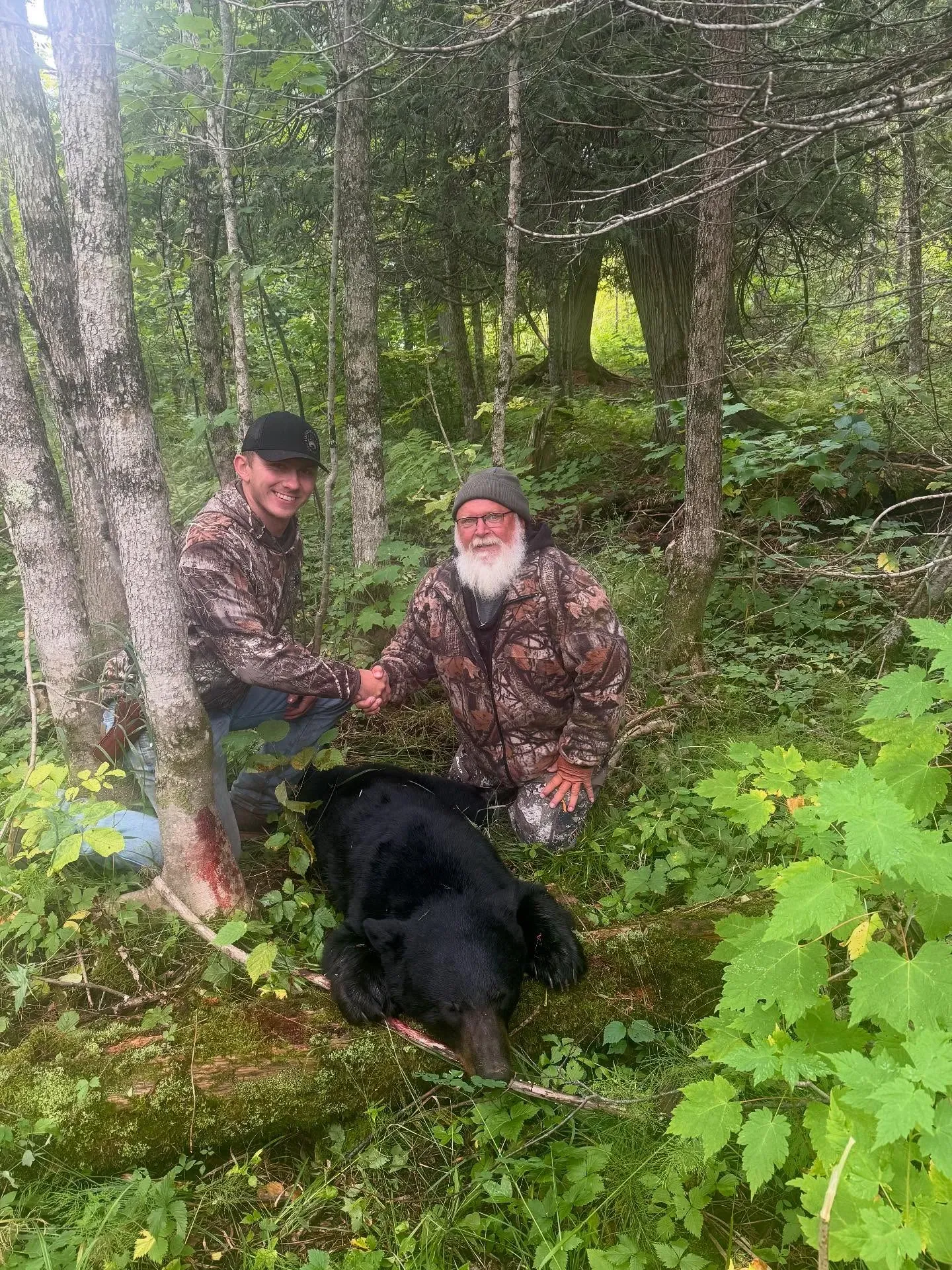
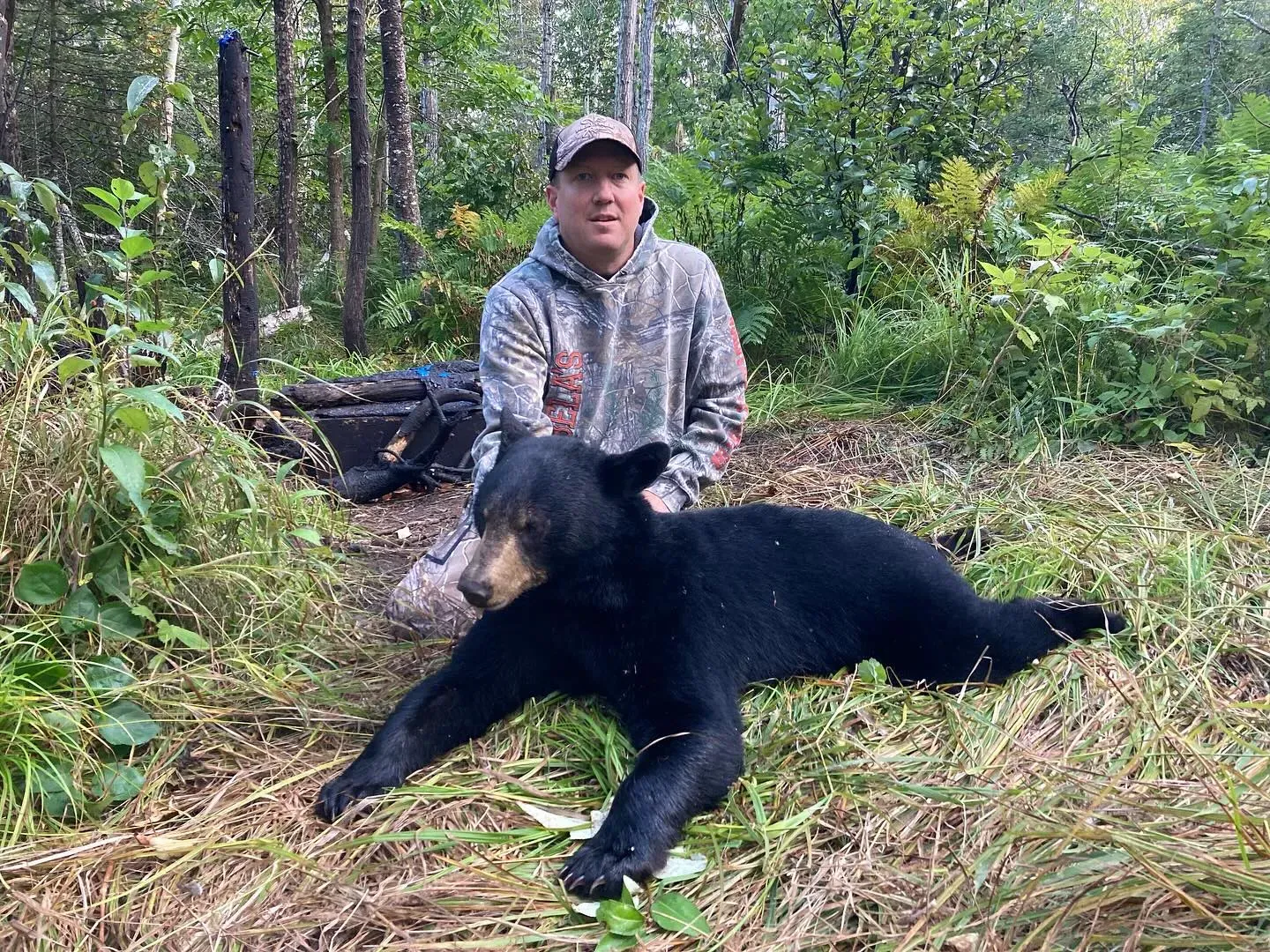
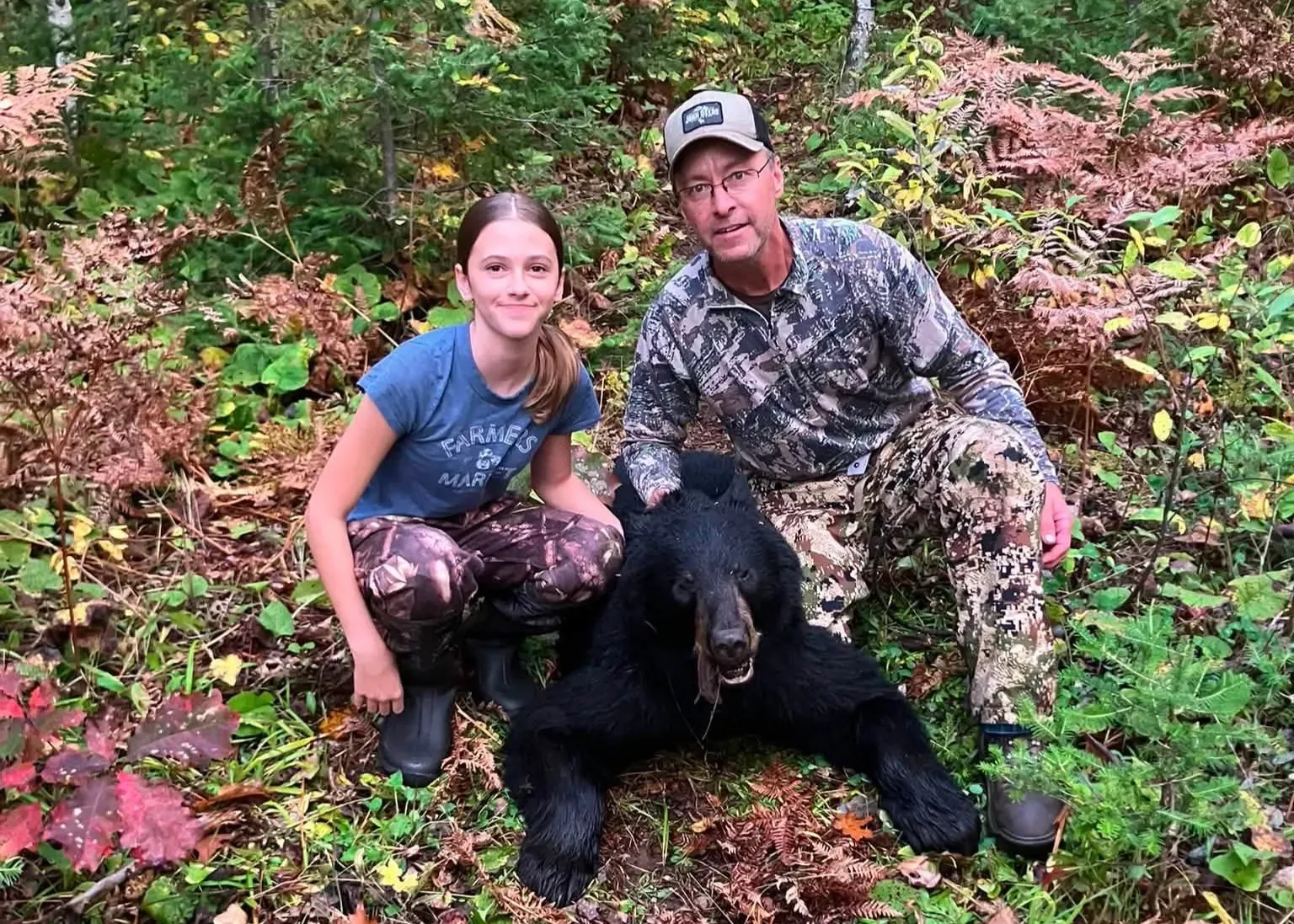
Our team, led by Kaleb Krech and Richard Krech, brings 60 years of combined hunting experience to the field. We operate in the productive wilderness of Zone 31 near Finland, where our familiarity with local terrain and bear movement helps us prepare hunters for the conditions they will encounter. From pre-scouted stands and active bait lines to tracking, field dressing, and professional skinning support, we handle the practical work so you can stay focused on your 2026 Minnesota bear hunting experience.
Conclusion
Planning for Minnesota's 2026 bear season starts well before opening day. Understanding the legal calendar, identifying the correct permit area, following baiting regulations, and paying attention to seasonal bear behavior can help hunters enter the Northwoods prepared and confident. Daily timing, careful stand placement, and responsible field practices remain important throughout the season.
If you are ready to put your 2026 plans into action, contact Blackbear Outfitters to discuss a guided Minnesota bear hunt and reserve your place for the upcoming season.
FAQs
1. When does Minnesota bear hunting season open in 2026?
The 2026 Minnesota bear hunting season is scheduled to open on September 1, subject to the applicable regulations and permit area requirements.
2. When does the Minnesota bear hunting season end in 2026?
The 2026 season is scheduled to close on October 18. Hunters should confirm the closing date and applicable legal shooting hours with the Minnesota DNR.
3. When can hunters begin baiting bears in Minnesota in 2026?
Under the dates outlined for the 2026 season, legal baiting can begin on August 14. Hunters must follow all current baiting regulations.
4. What is the deadline to apply for a Minnesota bear hunting lottery license?
The stated lottery application deadline for the 2026 season is May 1. Hunters should verify the current DNR application schedule before submitting an application.
5. What is the difference between quota and no-quota bear hunting areas?
Quota areas have limited licenses controlled through a selection process, while no-quota areas generally allow eligible hunters to purchase available licenses without the same quota drawing.
6. How do preference points work for Minnesota bear hunting?
Preference points can improve a hunter's chances in the lottery for certain quota areas. The number needed can vary by permit area and individual season.
7. Can you hunt bears in Minnesota without a quota license?
Hunters may have opportunities in designated no-quota areas, but they still need the appropriate license and must follow all applicable season, location, and hunting regulations.
8. How many bait stations can a Minnesota bear hunter have?
The number of permitted bait stations and identification requirements are governed by Minnesota regulations. Hunters should check the current DNR rules before establishing stations.
9. What time of day are black bears most active during hunting season?
Bear activity can vary according to food availability, weather, hunting pressure, and individual behavior. Dawn and evening can be productive periods, but local conditions should guide hunting decisions.
10. Can I book a guided Minnesota bear hunt for the 2026 season?
Yes. Hunters interested in a guided experience can contact Blackbear Outfitters to discuss available 2026 hunting opportunities, locations, and package details.