/filters:format(jpeg,png)/fit-in/300x300/users/cd8ae681-8985-4468-9d6f-f9587e6e9715/company-logo/image-2025-03-29t135022.4811.png)
/filters:format(jpeg,png)/fit-in/237x80/users/cd8ae681-8985-4468-9d6f-f9587e6e9715/company-logo/image-2025-03-29t135022.4811.png)
Best Bear Hunting Areas Near Duluth, Minnesota
%2Ffit-in%2F1000x1000%2Ffilters%3Aformat(webp)%2Fguide_websites%2F29391%2Fimages%2F1743351723591image-2025-03-29t124532.627.png&w=1920&q=75)
Published: September 25, 2026
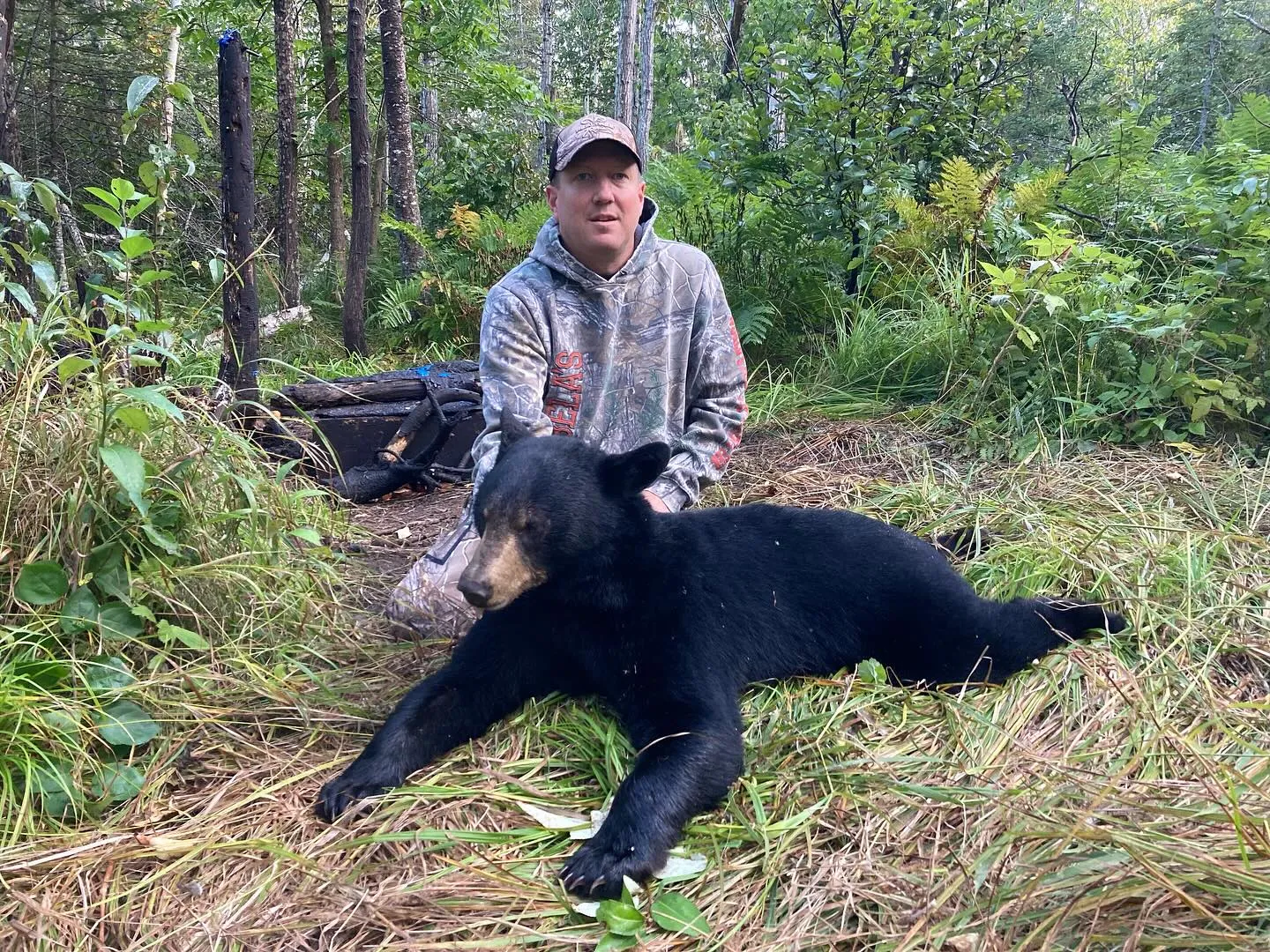
Duluth offers convenient access to the forests and wetlands of northern Minnesota, making the area a practical starting point for hunters planning a black bear hunt. Just beyond the city, the landscape changes into dense forest, wetlands, timber cuts, rocky terrain, and secluded waterways that provide varied bear habitat.
For anyone planning black bear hunting MN, location selection is about more than finding a wooded area. Permit boundaries, public and private land access, seasonal food sources, terrain, and hunting pressure can all affect where and how you hunt. Understanding the areas surrounding Duluth gives hunters a clearer starting point for scouting and trip planning. The following sections examine nearby permit areas and public lands while highlighting the practical factors that can help you evaluate each location.
Deciphering the Map: The Permit Zones Surrounding Duluth
Before choosing a specific hunting location, it is important to understand how Minnesota's bear management system divides the state. The permit area you select can affect license availability and where you are legally permitted to hunt, so hunters should confirm the current Minnesota DNR maps and regulations before making plans. Understanding the MN bear hunting zones around Duluth also helps narrow your scouting area and identify which public or private lands may be available within your selected permit area.
Zone 31: The North Shore Core
Zone 31 is particularly relevant to hunters looking at areas north and northeast of Duluth, extending toward communities and forested areas along the North Shore. Its combination of extensive forest cover, wetlands, hardwoods, and rugged terrain provides a variety of environments for black bears. Hunters considering this area should confirm the current permit boundaries rather than relying on general geographic descriptions.
- Location: North and northeast of Duluth, including portions of the North Shore region.
- Terrain: Mixed northern forest, wetlands, hardwood ridges, and rugged terrain.
- Bear Habitat: Dense cover and varied food-producing areas provide suitable habitat.
- Planning Consideration: Verify the exact permit area before selecting a stand or bait location.
Zone 51: The East-Central Transition
South and southwest of Duluth, the landscape gradually shifts toward a mixture of forests, river corridors, agricultural areas, and smaller blocks of woodland. These characteristics make Zone 51 different from the more continuous northern forest. Hunters considering bear hunting zones in Minnesota should evaluate the amount of available cover, land ownership, and food sources within the specific area they intend to hunt.
- Location: Areas south and southwest of Duluth, including portions of Carlton and Pine counties.
- Terrain: Woodlots, river bottoms, forest patches, and transitional agricultural landscapes.
- Bear Habitat: Bears may use connected forest cover, wetlands, and areas near seasonal food sources.
- Planning Consideration: Land access can be especially important where private property makes up a larger portion of the landscape.
No-Quota Areas Near the Agricultural Fringe
Some areas farther from the northern forest fall within Minnesota's no-quota bear hunting structure. These locations can provide another option for hunters who do not obtain a license through a quota-area drawing, but the specific rules and availability still need to be checked for the current season. Understanding the MN bear hunting zones system before purchasing a license helps prevent choosing an area that does not match your intended hunting location.
- Location: Portions of the agricultural and transitional landscape farther from the core northern forest.
- Terrain: Smaller woodlots, river corridors, brushy cover, and agricultural fields.
- Bear Habitat: Habitat can be more fragmented than in the northern forest.
- Planning Consideration: Confirm current no-quota boundaries, license availability, and land-access requirements with the Minnesota DNR.
Top Public Land Hunting Grounds Near Duluth
Public lands near Duluth offer varied hunting conditions. Comparing location, management zone, terrain, access, and scouting opportunities helps hunters identify areas that fit their plans and preparation.
Area A: Superior National Forest Southern Tier
The southern portion of the Superior National Forest offers extensive northern forest habitat near Duluth. Its varied terrain and established access routes give hunters several areas to investigate.
- Distance from Duluth: Approximately 15–45 minutes, depending on the entry point.
- Management Zone: Portions are associated with Zone 31, but hunters should verify the exact location.
- Terrain and Vegetation: Mixed forest, pine, aspen, cedar wetlands, hardwood areas, and timber cuts.
- Access: Forest roads and established routes provide access to many areas, while more remote locations may require hiking.
- Scouting Consideration: Examine transitions between forest cover and timber cuts, particularly where seasonal food sources are present.
Area B: Finland State Forest and Brimson Corridor
The Finland and Brimson area offers rugged forest terrain northeast of Duluth. Rolling landscapes, hardwoods, wetlands, and creek valleys create varied habitat that requires thoughtful route planning.
- Distance from Duluth: Approximately 45–60 minutes northeast.
- Management Zone: Relevant portions fall within Zone 31.
- Terrain and Vegetation: Northern hardwoods, rolling hills, wetlands, creek valleys, and dense cover.
- Access: Established roads provide entry to some areas, while remote sections may require additional hiking.
- Scouting Consideration: Examine creek corridors, thick cover, hardwood ridges, and areas connecting cover with seasonal food sources.
Area C: Cloquet Valley State Forest
Cloquet Valley State Forest sits northwest of Duluth and combines forest, wetlands, and ridges. Its proximity provides hunters with a practical option for scouting without traveling far from Duluth.
- Distance from Duluth: Approximately 30 minutes northwest.
- Management Zone: Hunters should verify the specific permit-area boundary for their chosen location.
- Terrain and Vegetation: Wetlands, forested ridges, young growth, and areas of dense cover.
- Access: Road access provides several entry points, with some locations requiring additional foot travel.
- Scouting Consideration: Focus on less-disturbed cover, natural travel corridors, and areas with identifiable seasonal food sources.
Local Environmental Factors: Food Sources and Weather Near the Lake
The Lake Superior shoreline creates local weather and habitat conditions that can influence bear movement. Understanding seasonal food availability, temperature changes, and wind patterns helps hunters plan their scouting approach.
- The Lake Superior Effect: The lake can moderate temperatures near the shoreline, creating conditions that differ from areas farther inland. These temperature differences can influence the timing and availability of seasonal food sources.
- Natural Food Sources: Bears use different foods throughout the season. Berries and other soft mast can be important earlier, while hazelnuts, acorns, and other hard mast become increasingly relevant as autumn progresses.
- Changing Food Patterns: Food availability can vary significantly between locations. Hunters should look for areas where multiple food sources occur near secure cover, allowing bears to move between feeding and bedding areas.
- The Scent Challenge: Wind direction can change around the North Shore's ridges, valleys, and shoreline. Hunters should monitor local wind conditions and position stands so their scent does not consistently move toward areas where bears are likely to approach.
Navigating the DNR Research Bear Caveat Near Duluth
Hunters in the Duluth area should also be aware of ongoing bear research. Recognizing marked research animals and understanding the guidance surrounding them can help hunters make responsible decisions in the field.
- Research Program: The Minnesota DNR conducts long-term research on black bears to collect information that supports wildlife management and population studies.
- Marked Bears: Research animals may have visible ear tags or radio collars. Hunters should use binoculars whenever practical to identify these markings before taking a shot.
- DNR Guidance: The DNR encourages hunters to avoid harvesting marked research bears because these animals provide valuable information through continued monitoring.
- Before the Shot: Take time to identify the bear and check for visible research markings. If you are uncertain about an animal's status, follow current DNR guidance and applicable hunting regulations.
Elevating Your Odds with Blackbear Outfitters
Hunting unfamiliar Northwoods terrain near Duluth can make scouting, access, and stand selection more difficult. Working with experienced guides can simplify these parts of the hunt while keeping preparation focused.
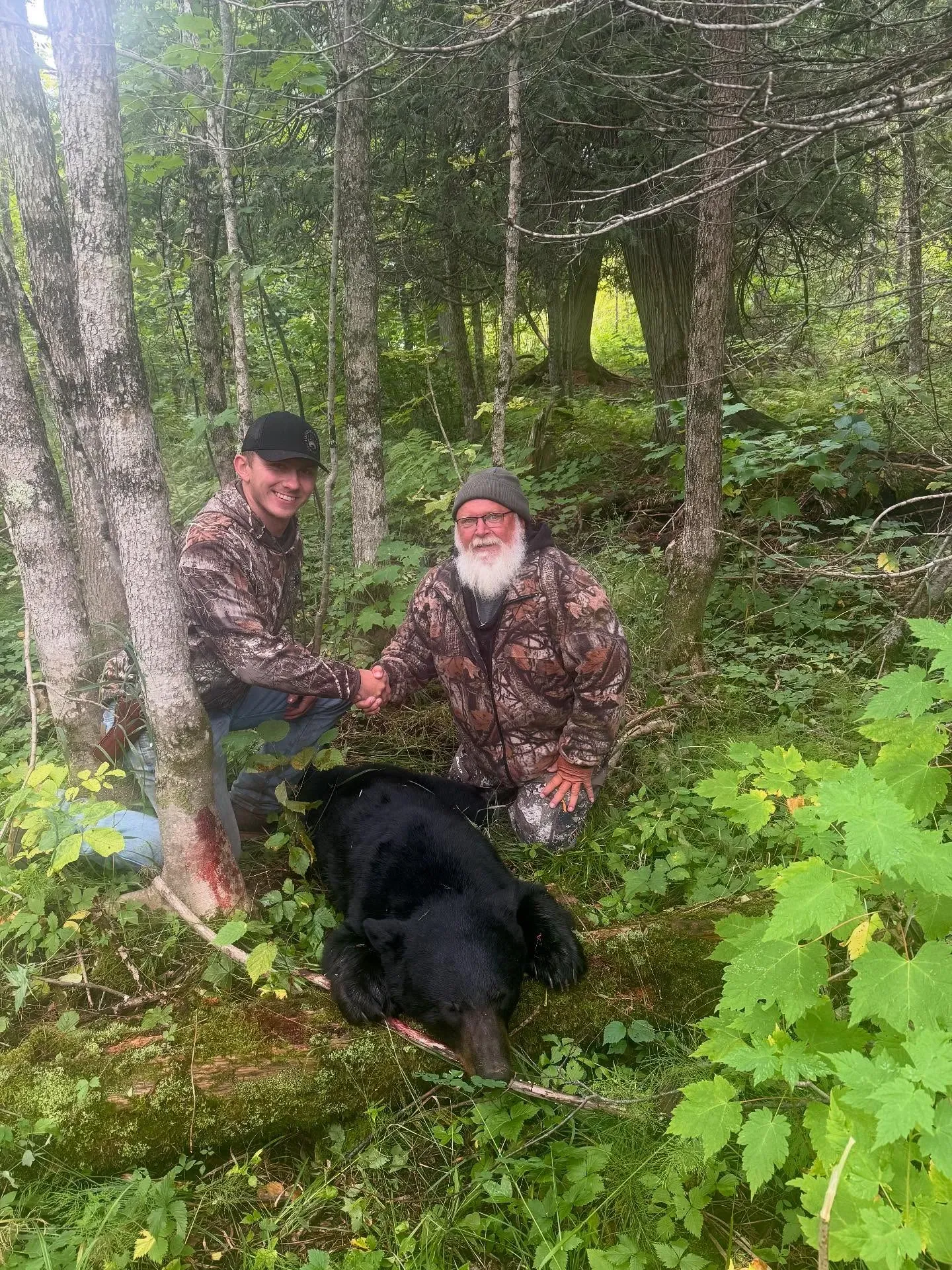
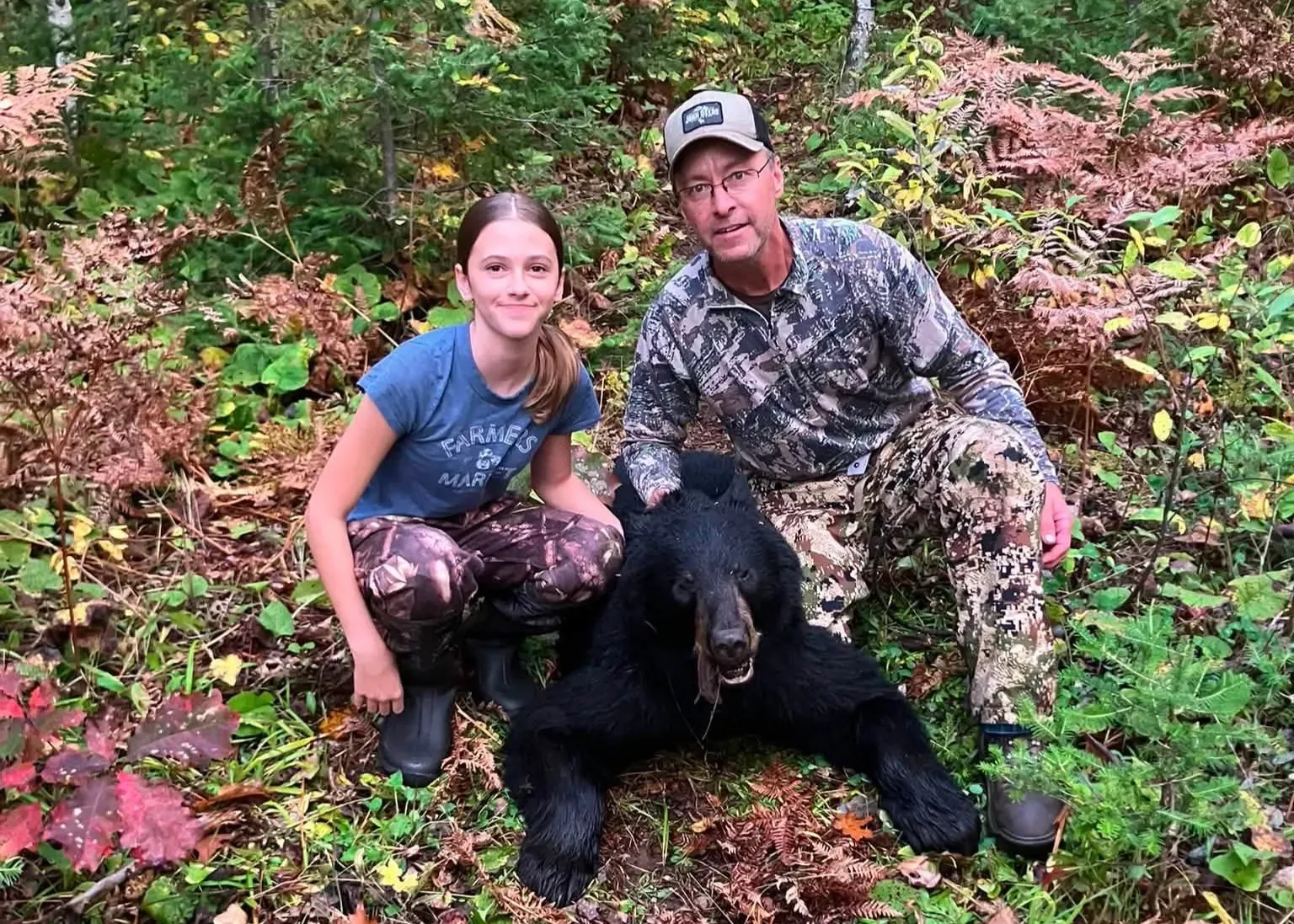
At Blackbear Outfitters, we guide hunters through the forests of Zone 31 near Duluth, using our knowledge of local terrain, bear movement, and seasonal conditions to plan each hunt. Kaleb Krech and Richard Krech bring decades of combined hunting experience to our guided trips.
We help clients spend less time figuring out unfamiliar ground and more time focused on the hunt itself. Our preparation includes identifying active areas, selecting suitable stand locations, and helping clients understand the terrain they will be hunting. We also provide hands-on support with tracking and field dressing after a successful harvest.
Conclusion
The forests surrounding Duluth provide a range of opportunities for hunters willing to study the terrain and prepare carefully. From the Superior National Forest to the Finland and Brimson corridor and Cloquet Valley State Forest, each area presents different habitat and access considerations. Understanding permit boundaries, checking current regulations, and scouting seasonal food sources can help you make better decisions before entering the field. If you want local knowledge and guided support, Blackbear Outfitters can help you plan your next Minnesota bear hunt. Contact us to discuss your hunt and reserve your spot.
Frequently Asked Questions
1. What bear hunting zone is Duluth, Minnesota located in?
Duluth is near several bear management areas, so the exact zone depends on the location where you plan to hunt. Check the current Minnesota DNR permit-area map before applying or hunting.
2. Can you hunt black bears in the Superior National Forest near Duluth?
Yes, bear hunting is permitted in designated areas of the Superior National Forest, provided you have the required license or permit and follow current DNR regulations and federal land rules.
3. How many preference points do I need to hunt bears near Duluth?
The number of preference points needed can vary by permit area and application year. Review current DNR draw statistics before choosing a specific area.
4. Is it legal to hunt bears on public land near Duluth?
Yes, but hunters must follow the regulations that apply to the specific property and bear permit area. Public access does not remove licensing, baiting, or seasonal requirements.
5. What should I look for when scouting bear habitat near Duluth?
Look for food sources, dense cover, water corridors, timber cuts, and travel routes connecting feeding and bedding areas. Seasonal conditions should also guide your scouting.
6. What food sources attract bears near Duluth?
Available foods vary by season and location. Berries, nuts, acorns, and other natural foods can influence bear movement, so scouting should account for what is currently available.
7. Is it legal to shoot a bear with an ear tag or radio collar in Minnesota?
Marked research bears may be legally harvestable under applicable regulations, but the Minnesota DNR asks hunters to avoid harvesting them because they provide valuable research data.
8. Can I hunt bears near Duluth without an outfitter?
Yes. Hunters can plan their own hunt if they meet licensing requirements, secure legal access, and follow all applicable regulations. An outfitter is not required for every hunt.
9. What should I know about bear baiting near Duluth?
Bear baiting is subject to specific Minnesota regulations covering locations, materials, timing, and other requirements. Always review the current DNR rules before establishing or hunting over a bait site.
10. What are the benefits of using a guided bear hunting outfitter near Duluth?
A local outfitter can provide knowledge of the area, help with scouting and stand selection, explain trip logistics, and provide practical assistance throughout the hunt.