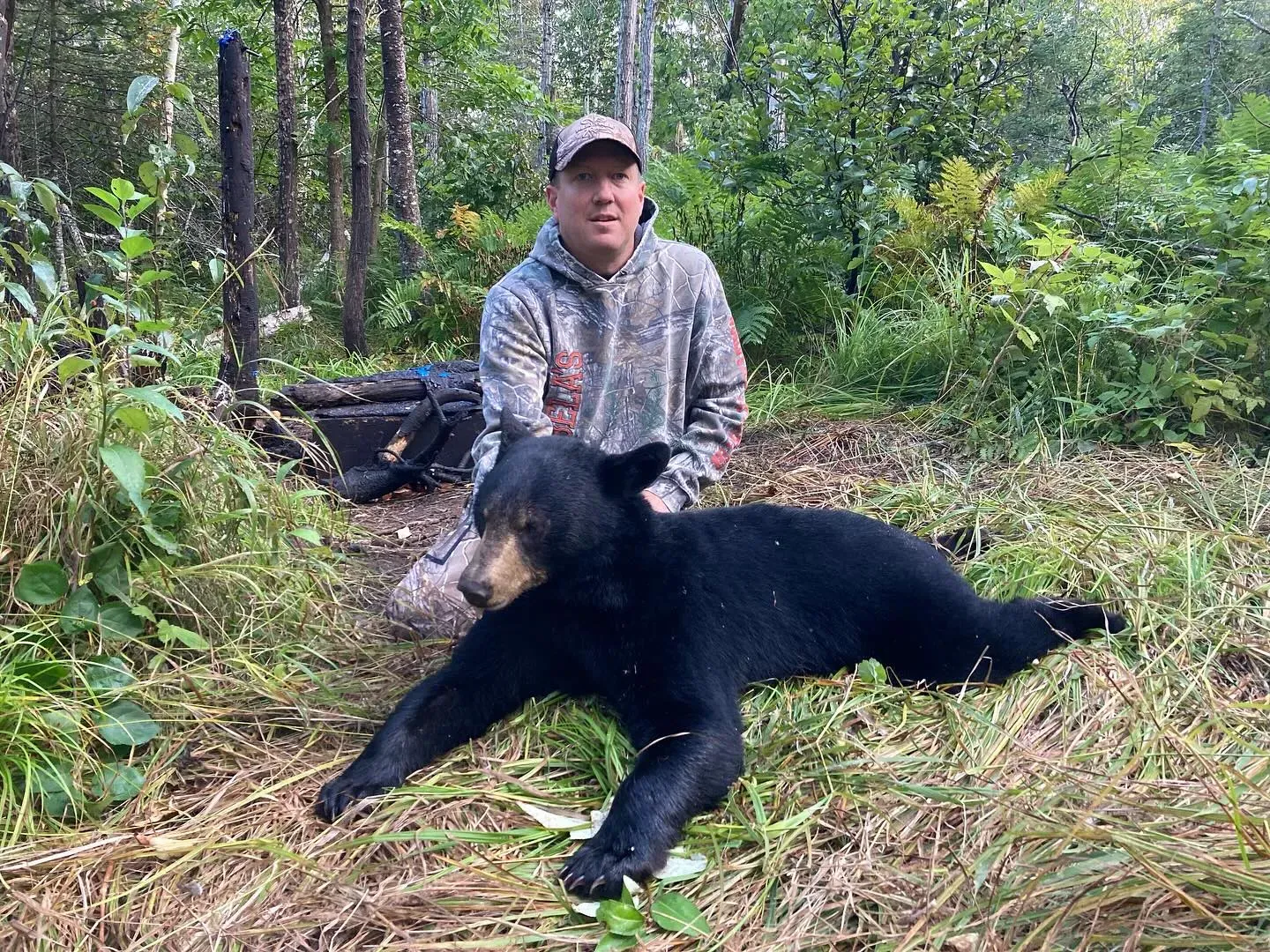
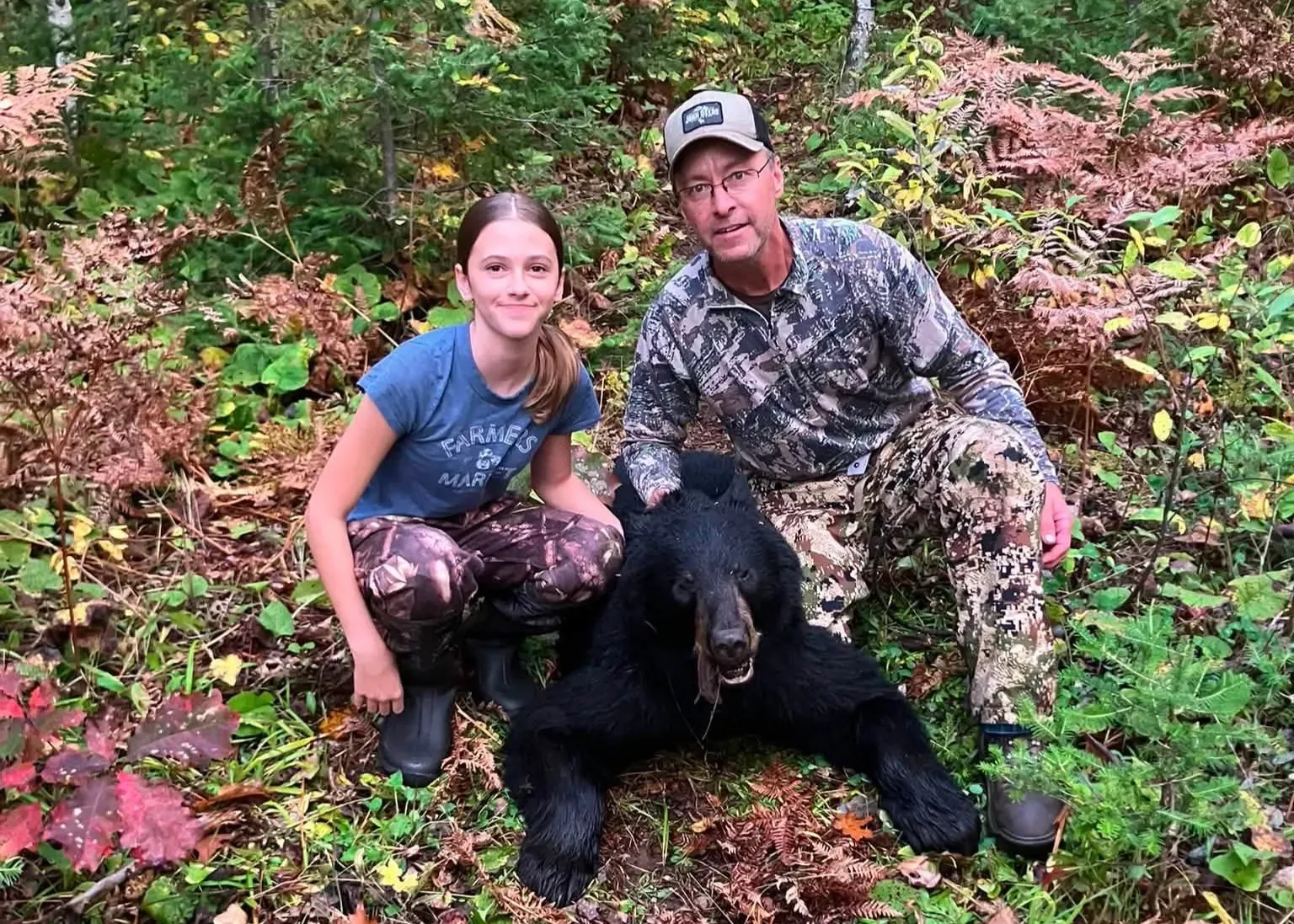
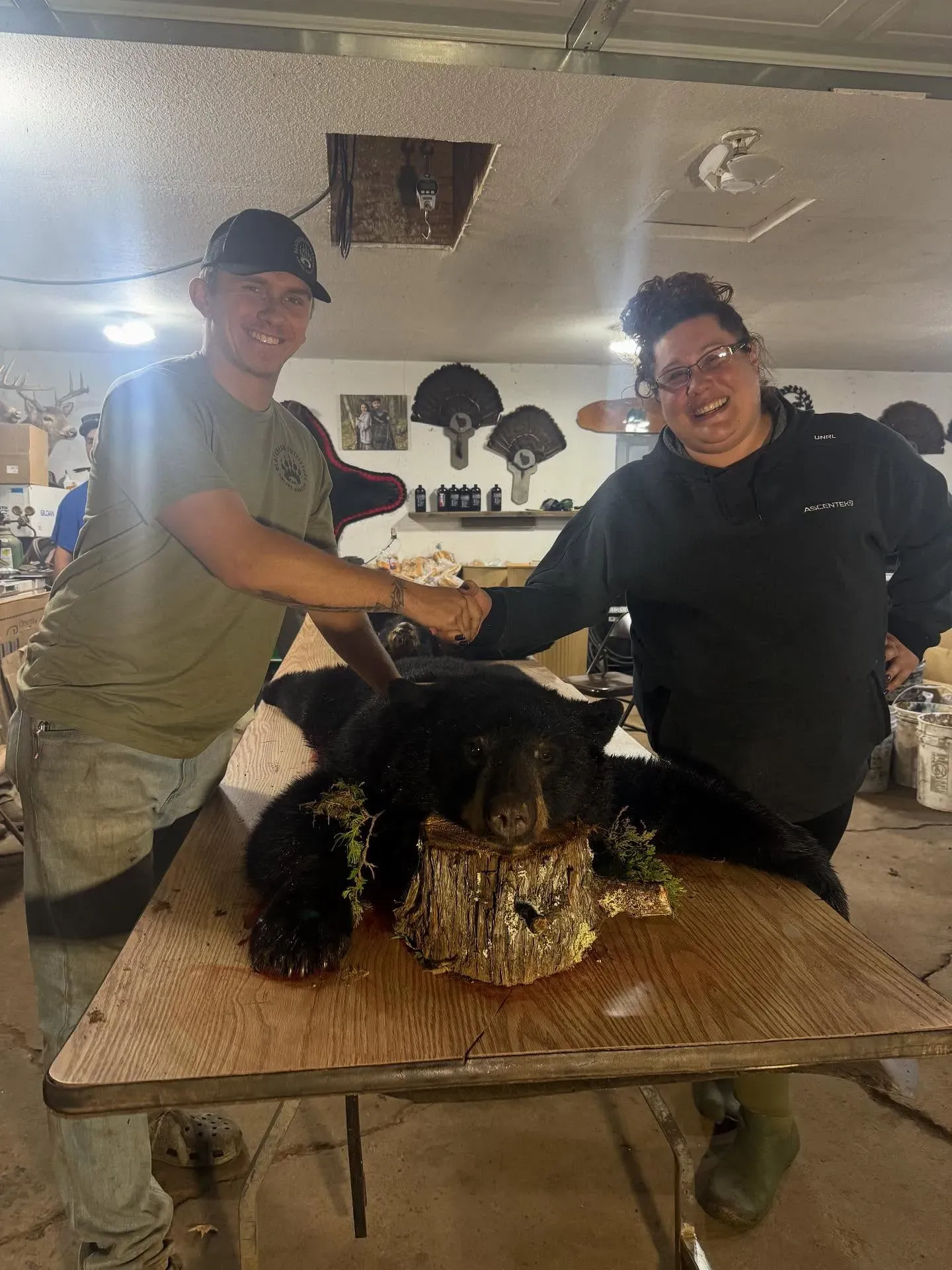
/filters:format(jpeg,png)/fit-in/300x300/users/cd8ae681-8985-4468-9d6f-f9587e6e9715/company-logo/image-2025-03-29t135022.4811.png)
/filters:format(jpeg,png)/fit-in/237x80/users/cd8ae681-8985-4468-9d6f-f9587e6e9715/company-logo/image-2025-03-29t135022.4811.png)
Beginner’s Guide to Black Bear Hunting in Minnesota
%2Ffit-in%2F1000x1000%2Ffilters%3Aformat(webp)%2Fguide_websites%2F29391%2Fimages%2F1743351723591image-2025-03-29t124532.627.png&w=1920&q=75)
Published: September 25, 2026
For a first-time hunter, pursuing a black bear can seem complicated. There are licenses to secure, hunting areas to understand, equipment to prepare, and regulations to follow before you ever sit in a stand. Minnesota offers extensive bear habitat, particularly across its northern forests, giving beginners a chance to learn the basics of big game hunting in a challenging environment.
A successful first hunt starts with preparation rather than rushing into the woods. Understanding black bear hunting MN requirements, choosing an appropriate hunting area, practicing with your weapon, learning how baiting works, and preparing for the recovery process can make the experience more manageable. This guide walks through each stage in order, so you know what to handle before, during, and after your first Minnesota bear hunt.
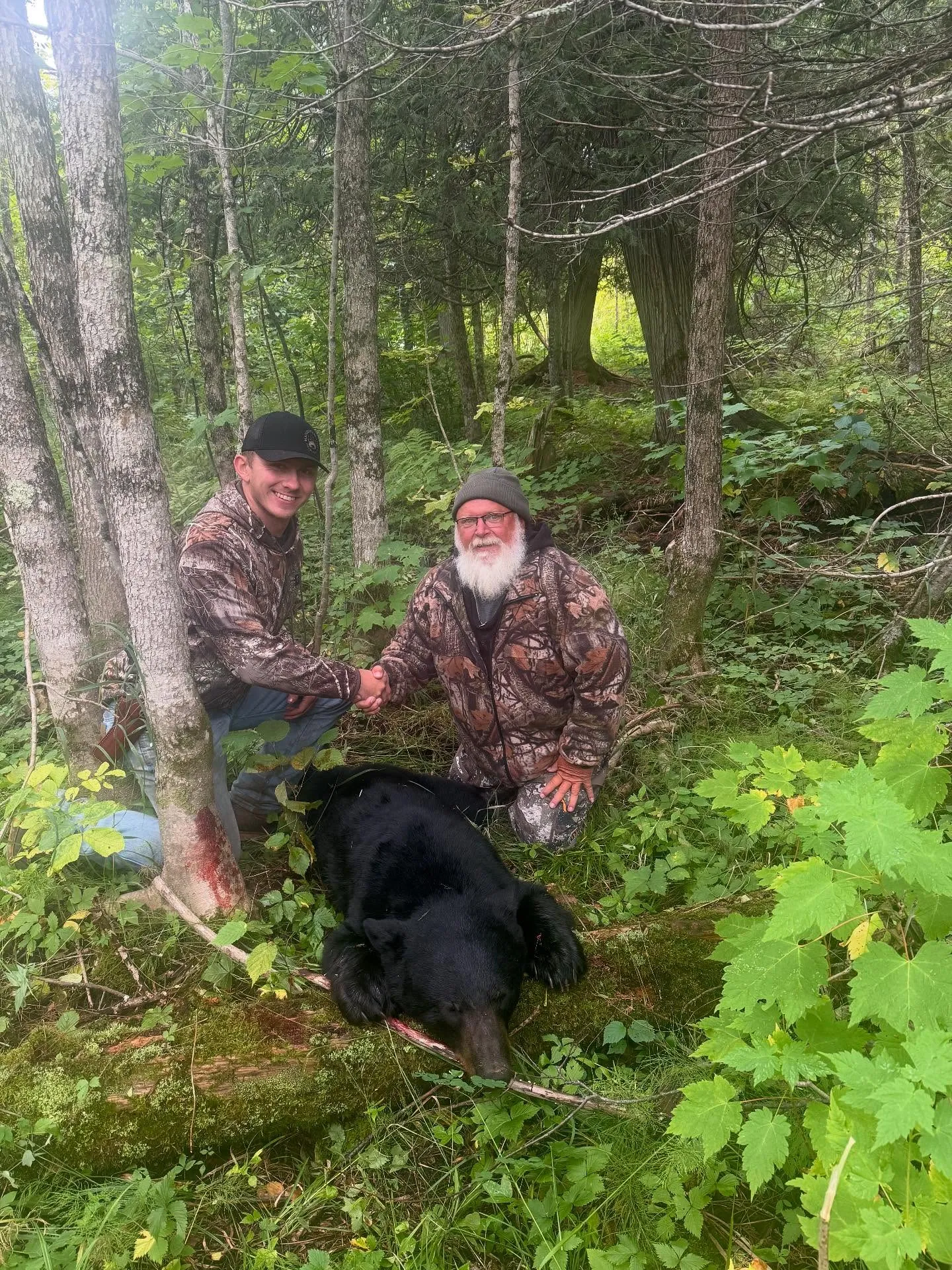
What Beginners Should Know Before Hunting Black Bears in Minnesota
Black bear hunting differs from deer hunting because bears have different feeding patterns, behavior, habitat preferences, and physical characteristics. Beginners need to understand these differences before choosing a hunting location or setting up a stand.
- Hunting Area: Start by researching MN bear hunting zones, as available licenses, habitat, land access, and hunting conditions can vary between areas.
- Regulations: Check current season dates, license and permit requirements, baiting rules, legal shooting hours, and land-access regulations before making plans.
- Hunting Plan: Build a practical plan before purchasing equipment. Decide where you can legally hunt, how you will access the property, what method you will use, and what conditions you may encounter.
- Safety First: Prioritize safe equipment handling, legal compliance, and preparation rather than rushing to locate a bear. A well-planned hunt gives beginners a clearer understanding of what to expect in the field.
A Step-by-Step Guide to Black Bear Hunting in Minnesota
Use the steps below to build your first bear hunt in the right order. Each step covers what to handle, what to prepare, and the common mistakes beginners should avoid before entering the field.
Step 1: Complete the Required Hunter Education and Get Licensed
Before choosing equipment or planning your hunting setup, handle the qualifications and paperwork that determine your eligibility to hunt. Getting these requirements settled early also gives you time to address any missing documentation.
- Hunter Education: Confirm whether Minnesota's hunter education or firearms safety requirements apply to you based on your age and circumstances. Complete any required course before purchasing the credentials needed for your hunt.
- Hunting Credentials: A hunting license in Minnesota is separate from obtaining authorization to hunt black bear in a specific permit area. Make sure you understand both before planning your hunt.
- Permit Area: Identify where you intend to hunt and determine whether it is a quota or no-quota area. This can affect how you apply for or obtain a bear license.
- Current Requirements: Check the latest Minnesota DNR regulations before applying. Application deadlines, license availability, season dates, and other requirements can change from one season to another.
- Documentation: Keep your required license, permit, and other documentation available during the hunt. Review what must be carried in the field and what must be completed after harvesting a bear.
Step 2: Choose the Right Permit Area and Hunting Location
Once your licensing requirements are clear, the next decision is where to hunt. Your permit area influences the type of habitat you will encounter, available land, access options, and the approach you can use in the field.
- Permit Area: Study the available bear hunting zones in Minnesota and choose an area that fits your experience, access, and preferred hunting method. Do not select a location based only on reputation.
- Habitat: Look for areas that provide bears with reliable food, cover, and travel routes. Hardwood stands, berry-producing areas, wetlands, and agricultural edges can all be useful when evaluating potential hunting locations.
- Land Access: Determine whether you will hunt on private or public land and confirm that you have legal permission to access the property. Check boundaries before placing equipment or establishing a hunting position.
- Scouting Information: Review maps, terrain features, previous observations, and available wildlife information before entering the area. This can help narrow down locations that are worth scouting in person.
- Beginner Mistake to Avoid: Do not assume that a well-known bear area will automatically produce a good hunt. A location with suitable habitat and legal, practical access is more useful than a popular area you cannot effectively hunt.
Step 3: Choose Your Hunting Method and Prepare Your Equipment
With your hunting area selected, decide how you will hunt and make sure your equipment is appropriate for that method. Practice and equipment familiarity should come before the season begins.
- Hunting Method: Consider firearm or archery hunting based on your experience, practice level, and ability to make an accurate shot at an appropriate distance.
- Weapon Preparation: Make sure your firearm, bow, or crossbow is properly maintained, sighted, and functioning correctly. Practice from positions and distances similar to those you may encounter while hunting.
- Clothing: Prepare clothing suited to Minnesota's changing weather and the amount of time you expect to spend outdoors. Layering can help manage temperature changes during long sits.
- Navigation and Communication: Carry reliable navigation and communication equipment, especially when hunting unfamiliar or remote forest areas.
- Safety Equipment: Include the safety equipment appropriate for your hunting method. If you use an elevated stand, use a properly fitted safety harness and follow the manufacturer's instructions.
- Beginner Mistake to Avoid: Do not buy equipment based solely on what another hunter uses. Choose equipment you understand, can operate safely, and have practiced with before the hunt.
Step 4: Understand Baiting Rules and Prepare a Legal Hunting Site
For beginners using bait, understanding the regulations is just as important as choosing the location. The site should be established according to current Minnesota rules and positioned with both bear movement and hunter safety in mind.
- Regulations: Review current MN bear baiting requirements before preparing a site. Rules can cover when bait may be placed, what may be used, where bait can be located, and other conditions that apply to the hunt.
- Bait Selection: Use only bait materials permitted under current regulations. Do not assume that a food source or baiting practice used in another state is legal in Minnesota.
- Site Placement: Select a location that provides suitable bear access, nearby cover, and a safe shooting opportunity from your planned hunting position. Consider wind direction and your route into and out of the site.
- Human Activity: Limit unnecessary disturbance around the site. Repeated visits, noise, and scent can affect animal activity and make the location less useful.
- Beginner Mistake to Avoid: Do not establish a bait site based on outdated advice. Check the current regulations before putting anything into the woods, especially if this is your first Minnesota bear hunt.
Step 5: Set Up Your Stand and Manage Wind and Scent
Once the hunting site is ready, your stand or blind needs to provide a safe and practical position without unnecessarily disturbing the area. Wind direction should be considered every time you enter the site.
- Stand Location: Position the stand where you have a clear and ethical shooting opportunity while maintaining a safe distance from the hunting area.
- Wind Direction: Check the forecast and actual wind before each hunt. Avoid positioning yourself where your scent is likely to travel toward the area where you expect a bear to approach.
- Access Route: Plan an entry and exit route that limits disturbance to nearby cover and travel areas. Avoid crossing locations where you expect bears to move.
- Shooting Position: Make sure branches, vegetation, terrain, and other obstacles do not interfere with your ability to make a safe shot.
- Safety: Use appropriate fall protection when hunting from an elevated stand and inspect the stand, straps, and climbing equipment before use.
- Beginner Mistake to Avoid: Do not assume one stand position will work under every wind direction. A change in wind can make an otherwise suitable hunting location difficult to use.
Step 6: Make a Safe Shot and Handle the Harvest Properly
The final stage requires the same preparation as the rest of the hunt. Beginners should know their effective range, understand basic bear anatomy, and have a plan for what happens immediately after a successful shot.
- Shot Selection: Wait for a clear, ethical opportunity and avoid taking a shot when the animal's position, background, or visibility creates unnecessary risk.
- Shot Placement: Learn the basic anatomy of a black bear and practice placing your shot accurately before the season. Your goal should be a controlled, well-placed shot within your proven ability.
- After the Shot: Follow the animal's movement carefully and give yourself time to determine where it went. Do not immediately enter thick cover without assessing the situation.
- Harvest Handling: Once the animal is recovered, follow Minnesota's current requirements for tagging, field dressing, transportation, and reporting.
- Meat Care: Keep the carcass clean and begin cooling the meat as soon as practical. Warm weather can increase the need for prompt handling.
- Beginner Mistake to Avoid: Do not let excitement lead to a rushed shot or careless harvest handling. The hunt is not complete until the animal has been safely recovered and handled according to the applicable regulations.
Handle the Harvest and Complete the Post-Hunt Process
Once you have a successful shot, the hunt is not over. Proper field care, transportation, tagging, and reporting are important parts of completing a legal and responsible bear hunt.
Confirm the Harvest and Follow Tagging Requirements
Immediately after the bear is down, make sure it is safely recovered before approaching. Follow the current Minnesota DNR requirements for validating, attaching, and registering the bear. Keep all required documentation with you and complete any mandatory reporting within the specified timeframe.
Field Dress the Bear Carefully
Field dressing should be done as soon as practical, especially during warmer early-season conditions. Work carefully around the hide and meat to avoid unnecessary contamination. If you are keeping the meat, cool it promptly and keep it clean during transportation.
Protect the Hide
A bear hide can deteriorate quickly if heat and moisture remain trapped against the skin. After skinning, keep the hide cool and follow proper salting, freezing, or processor instructions based on how you plan to preserve it. If you are unfamiliar with hide preparation, arrange for a professional processor before the hunt.
Transport and Process the Meat
Plan your transportation before heading into the field. A harvested bear can be difficult to move because of its weight and size, so having additional help, suitable equipment, and a nearby processing option can make the recovery much easier. For beginners, this planning should be part of the hunt rather than an afterthought.
Make the Hunt Easier With a Minnesota Bear Hunting Guide
For a first bear hunt, several parts of the process need to come together. Choosing a suitable area, locating bear activity, preparing a stand, understanding baiting requirements, and planning the harvest can be difficult without local experience. Working with experienced minnesota bear hunting guides can simplify these practical decisions while helping beginners understand the area they are hunting.
A guided hunt also provides direct exposure to how experienced hunters approach terrain, stand placement, scent control, shot decisions, and harvest recovery. Blackbear Outfitters guides hunters in Minnesota and can provide local knowledge of hunting areas, established stands, and current field conditions.
For beginners, this experience can be useful beyond a single hunt. Seeing how an experienced guide prepares for the day, responds to changing conditions, and handles the harvest can help build practical knowledge for future guided bear hunts in Minnesota.
Plan Your First Hunt With Blackbear Outfitters
Planning your first bear hunt can involve a lot of details, from selecting a hunting area and understanding Minnesota regulations to preparing your equipment and knowing what to expect in the field. At Blackbear Outfitters, we help simplify that process with guided hunting experiences built around local knowledge and practical field preparation. Our guides know the terrain, understand bear movement, and help hunters prepare for the conditions they may encounter throughout the hunt.
We also give beginners the opportunity to learn while they hunt. From getting settled at the stand and understanding wind direction to making an ethical shot and handling the harvest, we provide guidance throughout the experience. If you are ready to experience black bear hunting in Minnesota with an experienced team, contact Blackbear Outfitters to discuss your hunt and available dates.
Conclusion
A first bear hunt is easier to approach when you handle each part of the process in order. Start with the required education and licensing, choose a suitable hunting area, prepare equipment you know how to use, and understand the regulations that apply to baiting, access, and harvest handling. Scouting and safety should remain priorities throughout the hunt.
You do not need to know everything before your first day in the woods, but you do need a clear plan and a willingness to prepare. If you want local guidance while learning the process, Blackbear Outfitters can help you plan your first guided bear hunt in Minnesota.
Frequently Asked Questions
1. Is bear hunting hard for beginners in Minnesota?
It can be challenging because black bears are cautious animals, and successful hunting requires patience, scouting, preparation, and knowledge of the area. Beginners can make the process easier by learning the regulations and practicing with their chosen hunting method before the season.
2. What is the best caliber rifle for a first-time bear hunter?
There is no single caliber that is best for every hunter. Choose a firearm that is appropriate for bear hunting, reliable, and comfortable enough to shoot accurately. Practice and proper shot placement are more important than simply choosing a larger caliber.
3. Can a beginner hunt black bears on public land without an outfitter?
Yes. A beginner can hunt public land without an outfitter if they meet Minnesota's licensing and hunter education requirements and follow the rules for the specific hunting area. They should also confirm that the property is open to bear hunting before entering.
4. How do I keep my human scent hidden from a bear while sitting in a stand?
Complete scent elimination is not realistic. Pay attention to wind direction, limit unnecessary movement around the site, and use an entry route that reduces disturbance. Positioning the stand with the prevailing wind in mind can also help keep your scent away from likely bear approaches.
5. When should a beginner start preparing for a Minnesota bear hunt?
Start several months before the season. Licensing deadlines, permit-area selection, hunter education, land access, equipment preparation, scouting, and practice can all require time. Starting early also gives you an opportunity to address problems before opening day.
6. What should I look for when scouting for black bears?
Focus on food sources, thick cover, water, travel routes, tracks, scat, and other recent signs of bear activity. Look for places where bears can feed while remaining close to secure cover. Fresh sign is generally more useful than relying only on older observations.
7. Is baiting required for black bear hunting in Minnesota?
No, baiting is not the only way to hunt black bears. However, hunters who use bait must follow Minnesota's current baiting regulations, including rules concerning timing, placement, and permitted materials. Always check the regulations for the current season before establishing a bait site.
8. How far should I sit from a bear bait site?
The appropriate distance depends on the hunting setup, terrain, visibility, wind, and the legal requirements that apply to the hunt. Your position should provide a safe and ethical shooting opportunity while keeping your scent and movement from unnecessarily disturbing the site.
9. What should I do after harvesting a black bear?
First, make sure the area is safe and follow the applicable tagging and registration requirements. Field dress the bear carefully, protect the meat from heat and contamination, and arrange transportation and processing in advance so the harvest can be handled promptly.
10. Is a guided bear hunt a good option for a first-time hunter?
A guided hunt can be useful for beginners who want help with area selection, scouting, stand preparation, field safety, and harvest handling. An experienced guide can also provide practical knowledge of local terrain and hunting conditions that may take several seasons to develop independently.