/filters:format(jpeg,png)/fit-in/300x300/users/cd8ae681-8985-4468-9d6f-f9587e6e9715/company-logo/image-2025-03-29t135022.4811.png)
/filters:format(jpeg,png)/fit-in/237x80/users/cd8ae681-8985-4468-9d6f-f9587e6e9715/company-logo/image-2025-03-29t135022.4811.png)
Best Time for Black Bear Hunting in Minnesota
%2Ffit-in%2F1000x1000%2Ffilters%3Aformat(webp)%2Fguide_websites%2F29391%2Fimages%2F1743351723591image-2025-03-29t124532.627.png&w=1920&q=75)
Published: September 25, 2026
Minnesota’s forests offer strong habitat for black bears, but simply being in good bear country does not determine when you will see the most activity. Bear movement changes throughout the fall as food sources shift, temperatures drop, daylight decreases, and bears prepare for winter.
For hunters planning black bear hunting in Minnesota, choosing the right part of the season can make a practical difference. Early September brings active feeding and relatively mild conditions, while later weeks can bring cooler weather, changing vegetation, increased hunting pressure, and greater availability of natural foods. Understanding these changes helps you selecft hunting dates based on how bears are actually behaving.
Understanding the Legal Framework: The Fall Hunting Window
Minnesota’s black bear season is limited to a specific period, and hunters must meet the applicable licensing and permit requirements before heading into the field. Season dates, permit availability, hunting zones, and quotas can vary, so current Minnesota DNR regulations should always be checked before making plans.
Key requirements to know are:
- Hunting License: A valid hunting license Minnesota requirements include the appropriate license for the hunter and any additional authorization required for bear hunting.
- Bear Permit: Hunters may need a specific bear permit, with availability and application requirements depending on the hunting zone.
- Hunting Zones: Minnesota divides its bear range into designated management areas. Understanding the applicable MN bear hunting zones is important when selecting a hunting location and confirming permit requirements.
- Baiting Rules: Hunters who use bait must follow Minnesota's current rules governing when and where bait may be placed and what may legally be used.
Important: Check the current year's regulations for exact season dates, application deadlines, permit availability, and baiting requirements before planning your hunt.
The Biological Cheat Code: Hyperphagia and Fall Feeding Habits
As winter approaches, black bears enter hyperphagia, a period when they spend much of their time feeding and building the fat reserves needed to survive winter. This seasonal change is one of the main reasons fall can provide productive hunting conditions.
How Food Availability Changes
- Late Summer: Bears may rely heavily on berries, fruits, insects, and other readily available foods.
- Early Fall: Bears continue feeding heavily while responding to changing local food sources.
- Later Fall: Acorns, nuts, and other mast can become increasingly important where available.
Natural food can also affect bait-site activity. When high-calorie foods are abundant in the forest, bears may have less reason to visit a particular bait site. When natural food is less available, dependable food sources can become more influential.
Weather and Movement
Temperature, rainfall, and changing daylight can also affect when bears move and feed. These conditions vary from one area to another, so hunters should pay attention to recent trail-camera activity and local food conditions rather than assuming every September hunt will produce the same bear movement.
Early-Season vs. Late-Season: Which Part of the Season Offers Better Hunting Conditions?
The best hunting period can vary with local food conditions, weather, and bear activity. Comparing the two parts of the season helps hunters choose dates that fit their preferred conditions.
Phase 1: The Early Crack | First Two Weeks of September
- Active Dates: September 1 through approximately September 14, subject to the current year's regulations.
- Bear Behavior: Bears are actively feeding and continuing to build fat reserves for winter. When a reliable food source is available, movement around that area can be relatively consistent.
- Bait Site Reliability: Bait sites can be productive when natural food competition is limited. Trail cameras can help confirm which sites are receiving regular bear activity.
- Environmental Pressure: Temperatures are generally warmer, vegetation is still dense, and insects can remain active. Thick foliage can also make it harder to spot bears at longer distances.
Pros: - Strong feeding activity
- Relatively mild weather
- Longer daylight hours
- Potentially consistent activity around productive food sources
Cons: - Warmer temperatures
- Dense vegetation
- Active insects
- Meat and harvest handling require greater attention in warmer conditions
Phase 2: The Late Autumn Grind | Mid-September to Season Close
- Active Dates: Approximately September 15 through the end of the legal season, depending on the current year's regulations.
- Bear Behavior: Bears continue feeding heavily as winter approaches. Increased hunting activity can make some bears more cautious, while abundant natural food can change their normal movement patterns.
- Bait Site Reliability: Bait activity may become less predictable when acorns, nuts, and other natural foods are readily available. Trail-camera monitoring becomes especially useful for identifying where bears are actually feeding.
- Environmental Pressure: Cooler temperatures make long sits more comfortable, while falling leaves can improve visibility. However, other fall hunting seasons can increase activity and pressure in the woods.
Pros: - Cooler hunting conditions
- Better visibility as foliage changes
- Continued pre-winter feeding
- Less insect activity
Cons: - Greater hunting pressure
- More competition from natural food
- Less predictable bait-site activity
Daily Micro-Timing: The Best Hours of the Day to Sit in the Stand
Choosing the right date is only part of the timing equation. The time you spend in the stand also matters, and bear movement can change throughout the day based on food, temperature, and local conditions.
Morning Sits
Morning hunts can provide opportunities when bears are moving back toward bedding areas after feeding. Cooler temperatures may also encourage movement during the early hours.
Evening Sits
Evening sits can be productive around active food sources as bears begin moving toward feeding areas. This is particularly useful when trail-camera images show consistent afternoon or evening activity.
Use Local Activity to Guide Your Schedule
Rather than relying on a fixed morning-or-evening rule, review trail-camera timestamps and recent observations. If bears are consistently reaching a food source later in the day, adjusting your stand time accordingly can reduce unnecessary hours in the woods.
Keep in mind: Hunting must remain within Minnesota's legal shooting hours. Always confirm the current regulations before your hunt.
Maximizing Success with Blackbear Outfitters in Finland, MN
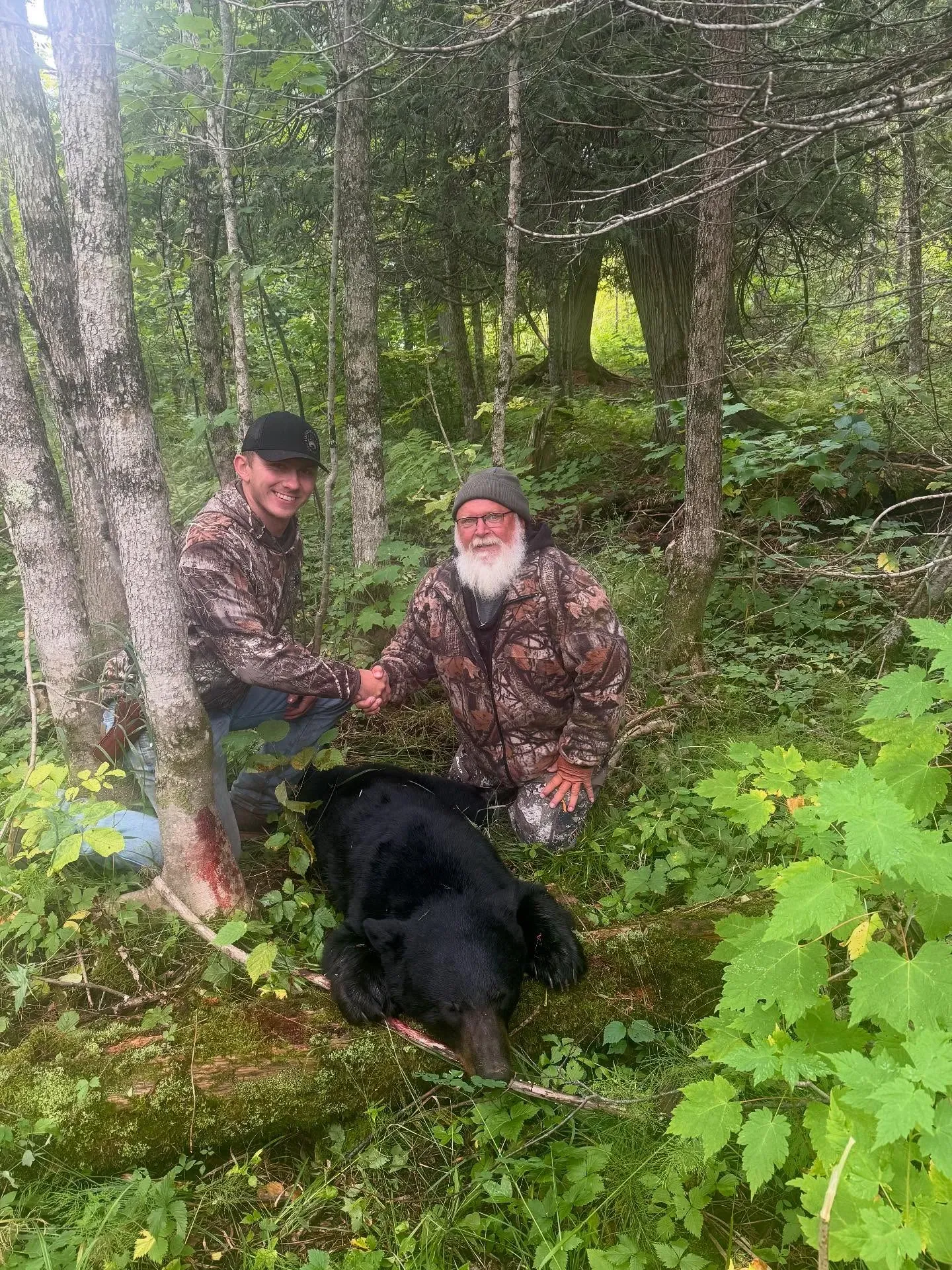
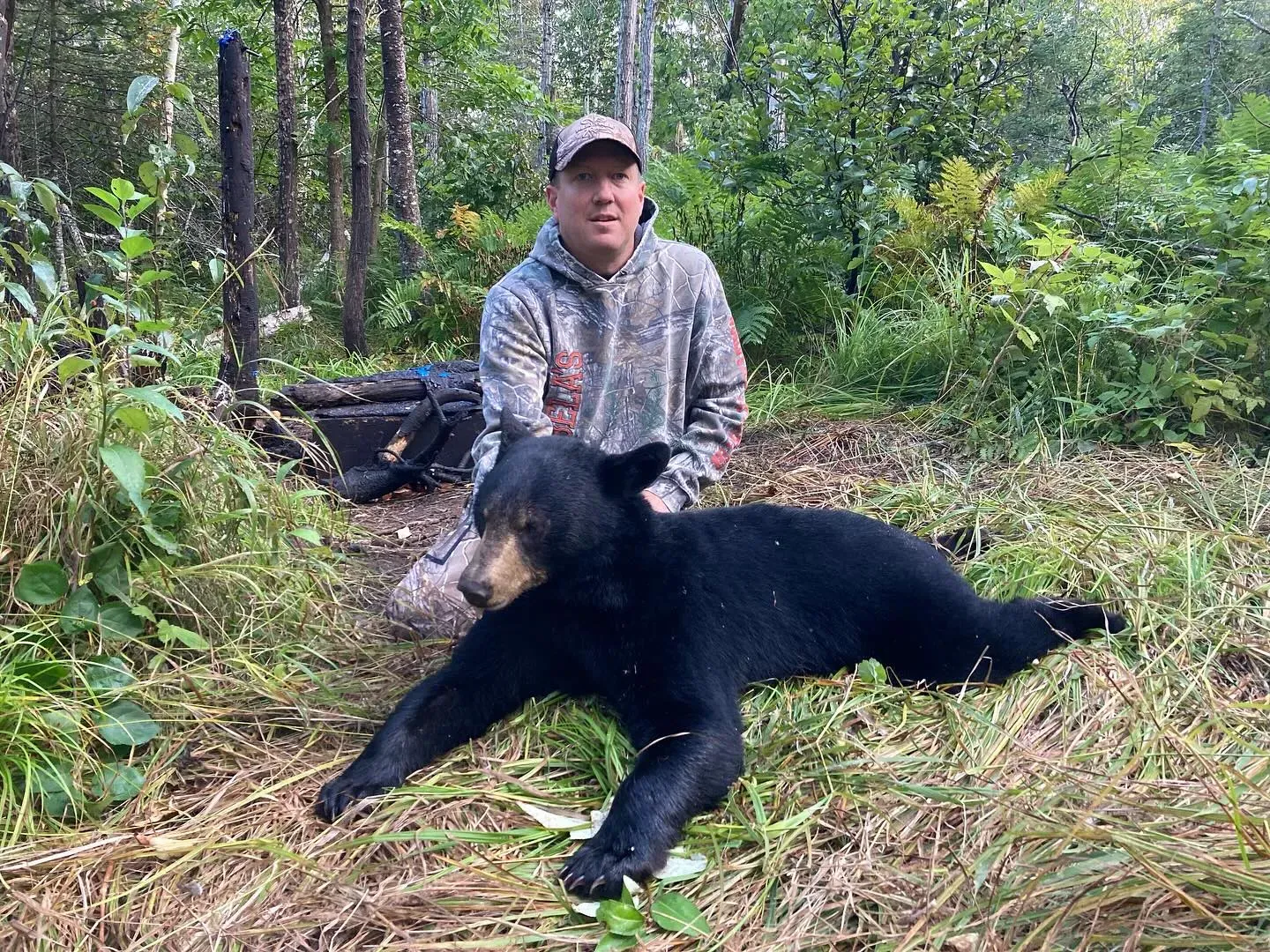
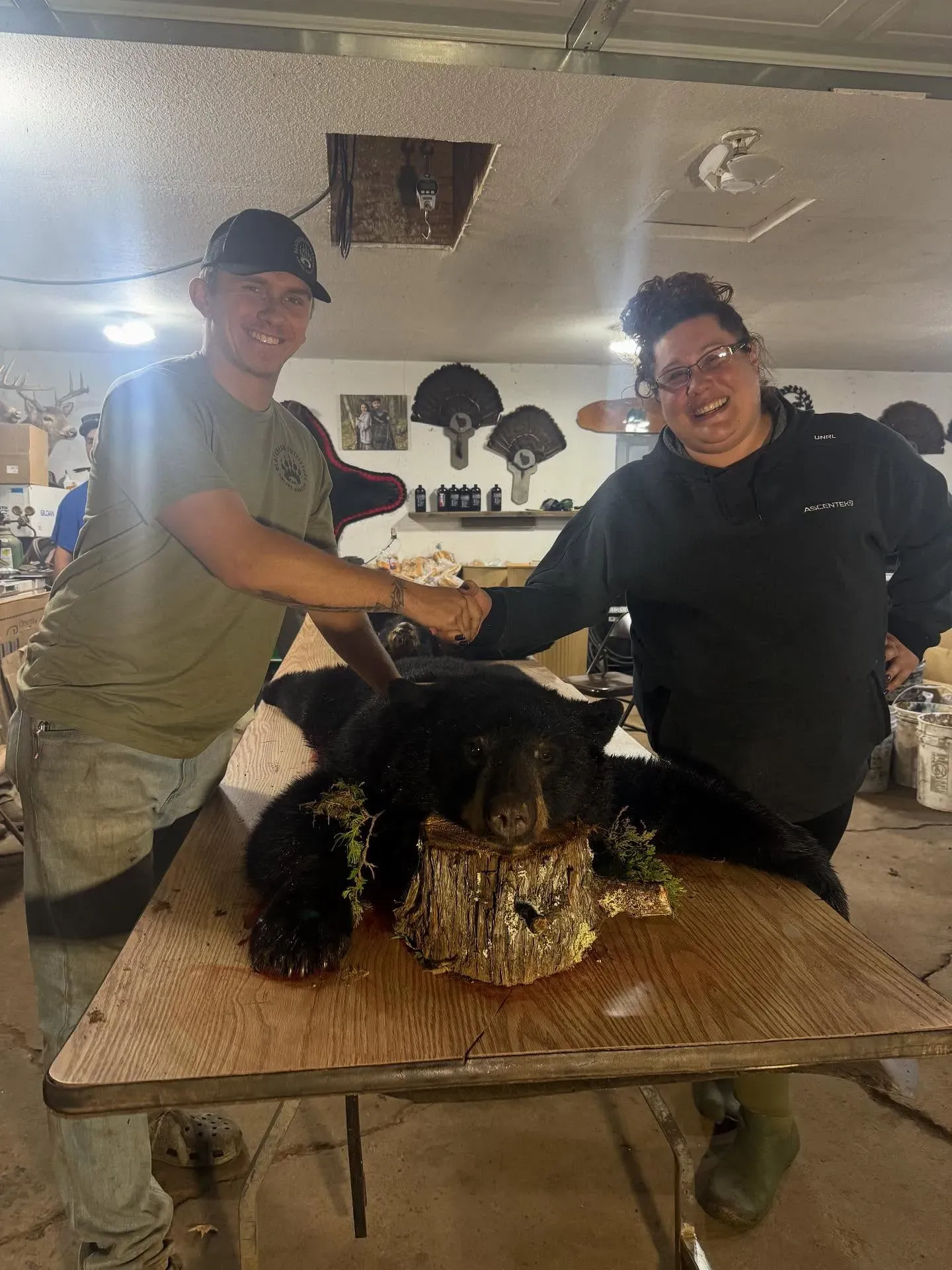
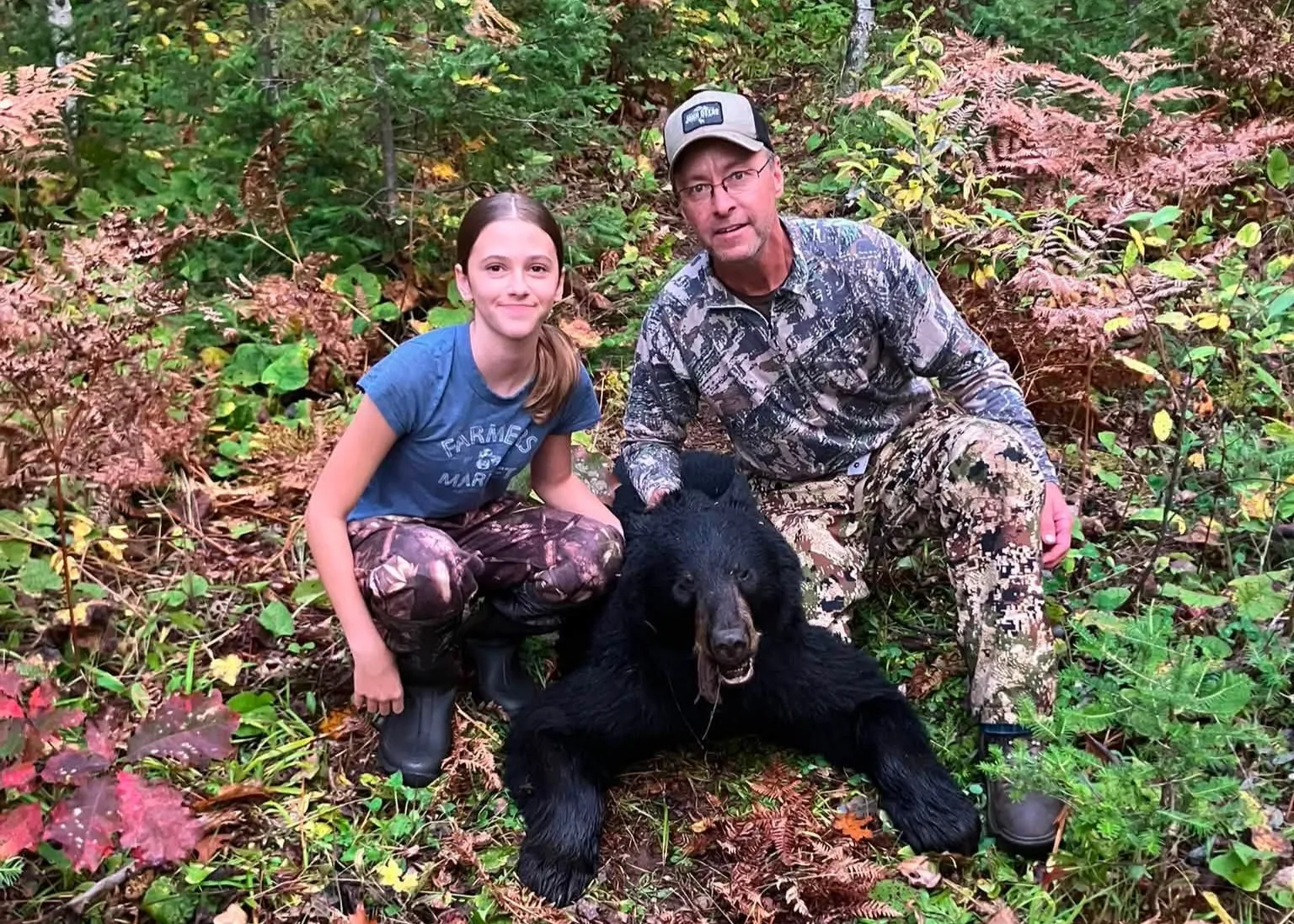
Choosing the right hunting dates is easier when local guides can track conditions before you arrive. Blackbear Outfitters operates guided bear hunts in the Finland, Minnesota area and provides hunters with local knowledge of bear habitat and seasonal activity.
The guides can monitor bait sites, trail-camera activity, food conditions, and changes in bear movement throughout the season. This information helps hunters understand what is happening in the field instead of relying only on general assumptions about the calendar.
For hunters considering guided bear hunts in Minnesota, local experience can also simplify practical parts of the trip, including hunting-area orientation, stand placement, and adapting plans when weather or natural food conditions change.
Conclusion
The best time for bear hunting in Minnesota depends on more than the opening day of the season. Early September can offer strong feeding activity and relatively consistent movement, while later-season hunts bring cooler temperatures, changing visibility, and different food conditions. Weather, natural food availability, hunting pressure, and trail-camera activity should all factor into your timing decisions.
Before heading out, confirm current regulations, permit requirements, and hunting-zone rules. If you want local knowledge to help plan your hunt around seasonal bear activity, explore a guided hunt with Blackbear Outfitters and secure your spot for the upcoming season.
Frequently Asked Questions
1. What month is best for black bear hunting in Minnesota?
September is a popular period because bears are actively feeding before winter. Early-season conditions can provide consistent activity around reliable food sources, although local conditions vary.
2. When does the Minnesota black bear hunting season begin?
The season generally begins in early September, but exact dates can change. Check the current Minnesota DNR regulations before hunting.
3. When does bear hunting season end in Minnesota?
The closing date depends on the current season regulations and applicable hunting area. Hunters should verify the dates for their specific zone.
4. Does natural acorn production affect fall bear hunting?
Yes. A strong acorn crop can provide bears with an abundant natural food source and may reduce their visits to bait sites.
5. Is early September a good time to hunt black bears?
It can be. Bears are actively feeding, and natural food competition may be lower in some areas. Local food and weather conditions still influence activity.
6. Are morning or evening sits better for black bear hunting?
Both can produce opportunities. Trail-camera timestamps can help determine when bears are most active at a specific hunting site.
7. How does weather affect black bear movement?
Temperature, rain, and changing weather can influence feeding and movement. Hunters should consider recent conditions rather than relying on a single weather pattern.
8. Do I need a permit to hunt black bears in Minnesota?
Hunters need the appropriate license and bear permit or authorization required under current Minnesota regulations. Requirements can vary by area.
9. What are the bear hunting zones in Minnesota?
Minnesota uses designated bear management areas with specific regulations and permit structures. Hunters should confirm the zone applicable to their chosen hunting location.
10. Are guided bear hunts in Minnesota worth considering for first-time hunters?
A guided hunt can be useful for first-time hunters who want help with local regulations, hunting areas, bait-site activity, stand placement, and changing bear movement.