/filters:format(jpeg,png)/fit-in/300x300/users/cd8ae681-8985-4468-9d6f-f9587e6e9715/company-logo/image-2025-03-29t135022.4811.png)
/filters:format(jpeg,png)/fit-in/237x80/users/cd8ae681-8985-4468-9d6f-f9587e6e9715/company-logo/image-2025-03-29t135022.4811.png)
Family-Friendly Hunting Adventures in Minnesota
%2Ffit-in%2F1000x1000%2Ffilters%3Aformat(webp)%2Fguide_websites%2F29391%2Fimages%2F1743351723591image-2025-03-29t124532.627.png&w=1920&q=75)
Published: September 25, 2026
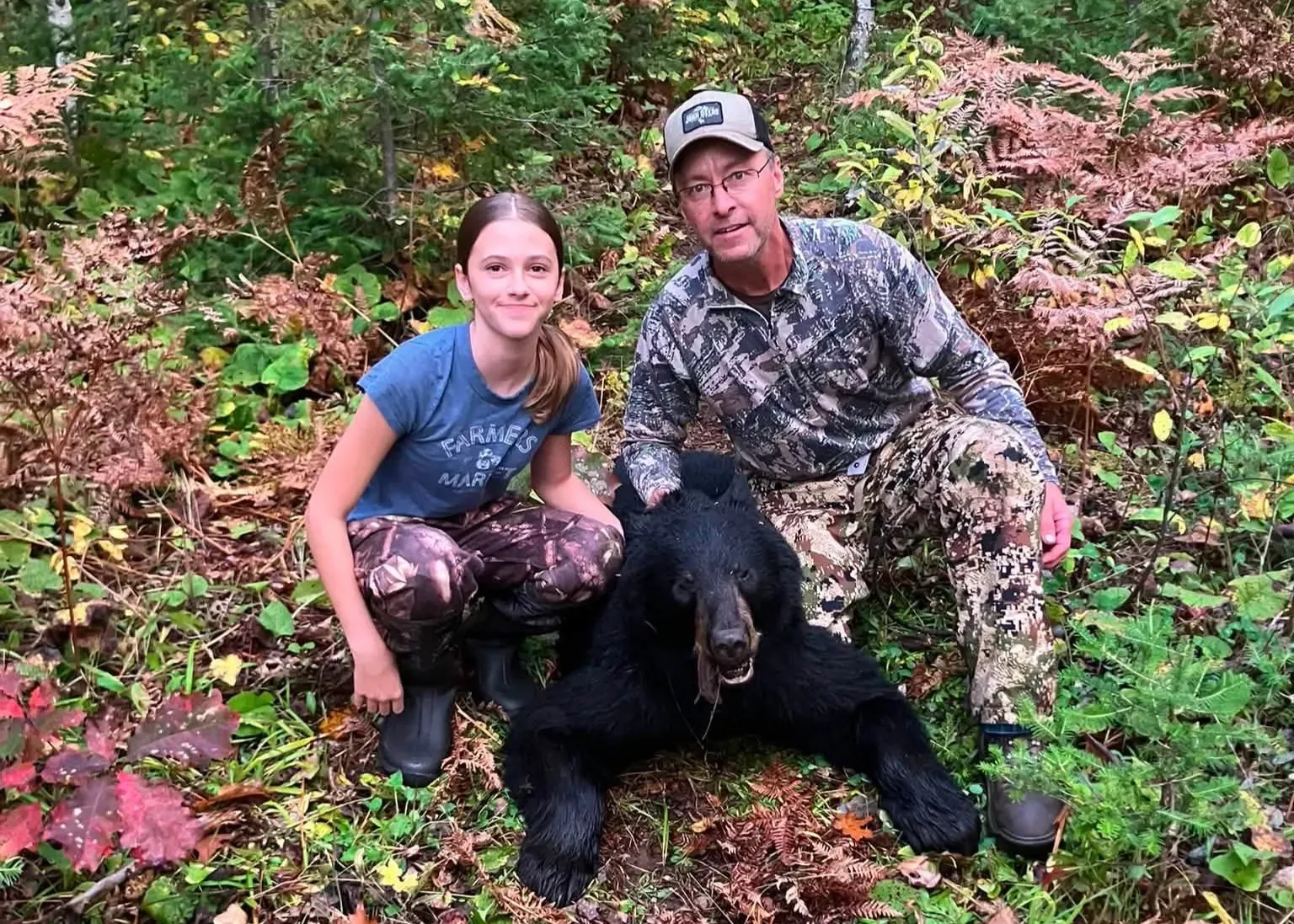
Sharing a crisp autumn morning in a Minnesota blind with your children or spouse can create memories that last far beyond a single hunting season. The quiet woods, anticipation, and time together make hunting an opportunity to teach patience, responsibility, conservation, and respect for wildlife.
Minnesota offers diverse habitats and hunting opportunities that can suit families with different experience levels. Big-game hunting does not have to be a grueling, solitary activity reserved for seasoned backcountry hunters. With preparation, supervision, appropriate equipment, and realistic expectations, parents can introduce children to the outdoors in a positive way.
Families considering Minnesota bear hunting guides can also explore guided experiences that provide structure while helping younger hunters learn safe and responsible field practices.
Navigating the Rules: Minnesota's Youth Hunting Mentorship Programs
Understanding the rules should come before selecting a hunting activity. Minnesota provides licensing and mentorship pathways that can help families introduce children to hunting while keeping supervision and safety at the forefront.
The Apprentice Hunter Validation
The Apprentice Hunter Validation can provide eligible new hunters with an opportunity to hunt without first completing the standard firearms safety certification, provided all program requirements are met and the hunter remains properly supervised.
- Who It Helps: Youth and eligible adults beginning their hunting experience.
- Supervision: The apprentice must hunt under the direct supervision required by Minnesota regulations.
- Purpose: Provides an opportunity to gain supervised field experience.
- Duration: The validation has specific limitations, so families should verify current eligibility and duration requirements.
- Safety: The supervising adult should maintain close oversight and ensure firearm and hunting-safety practices are followed.
Reduced-Price Youth Licenses
Lower-cost licensing options can make hunting more accessible for families introducing children to the sport. The exact cost and eligibility depend on the specific license involved.
- Lower Cost: Qualifying youth may have access to reduced-price licensing options.
- Age Requirements: Eligibility varies according to the specific license.
- License Type: Families need to select the license appropriate for the species and season.
- Current Rules: Fees, eligibility, and requirements can change, so check the latest information before purchasing a MN hunting license.
Dedicated Youth Seasons
Special youth seasons can give children an opportunity to experience hunting during designated periods. These opportunities also provide parents with a focused setting for teaching field skills.
- Early Opportunities: Certain youth seasons occur before the regular season for a particular species.
- Lower Pressure: Young hunters may gain experience before regular-season activity increases.
- Family Participation: Parents and mentors can focus on field awareness, safety, and ethical decision-making.
- Planning: Confirm current dates, eligibility, legal equipment, and supervision requirements before the outing.
Top Family-Friendly Hunting Disciplines Evaluated
The right hunting discipline depends on a child's maturity, physical ability, attention span, and comfort outdoors. Comparing the options by practical demands can help parents select an appropriate first experience.
Discipline A: Small Game and Waterfowl
Small game and waterfowl can offer an active introduction to hunting, giving children opportunities to walk, observe wildlife, and participate in the outing instead of remaining stationary for long periods.
- Ideal Starting Age Range: 10 to 12 years old, depending on maturity, physical ability, and readiness.
- Action and Engagement Level: High. Walking logging paths for ruffed grouse or watching decoys from a blind can provide regular movement and visual stimulation.
- Essential Gear Needed: A properly fitted, low-recoil .410 bore or 20-gauge shotgun where legally appropriate, comfortable boots, hearing and eye protection, and required blaze-orange apparel.
- Top Family-Friendly Benefit: Walking, observing, taking breaks, and interacting with a parent can help younger hunters stay engaged throughout the outing.
Discipline B: Managed Stand Hunting
Stand hunting introduces children to a slower pace that emphasizes observation and patience. A comfortable setup can make longer sits more manageable for young hunters.
- Ideal Starting Age Range: 12 to 14 years old, depending on maturity, physical readiness, and ability to follow safety instructions.
- Action and Engagement Level: Medium to Low. The experience centers on quietly observing the surrounding woods during periods of increased deer movement.
- Essential Gear Needed: A spacious box stand or ground blind, appropriate legal firearm and ammunition, hearing and eye protection, required blaze-orange clothing, and insulated cold-weather layers.
- Top Family-Friendly Benefit: Enclosed hunting spaces can provide protection from wind and precipitation while giving families room for comfort items during longer sits.
Discipline C: Structured Bait Line Hunting
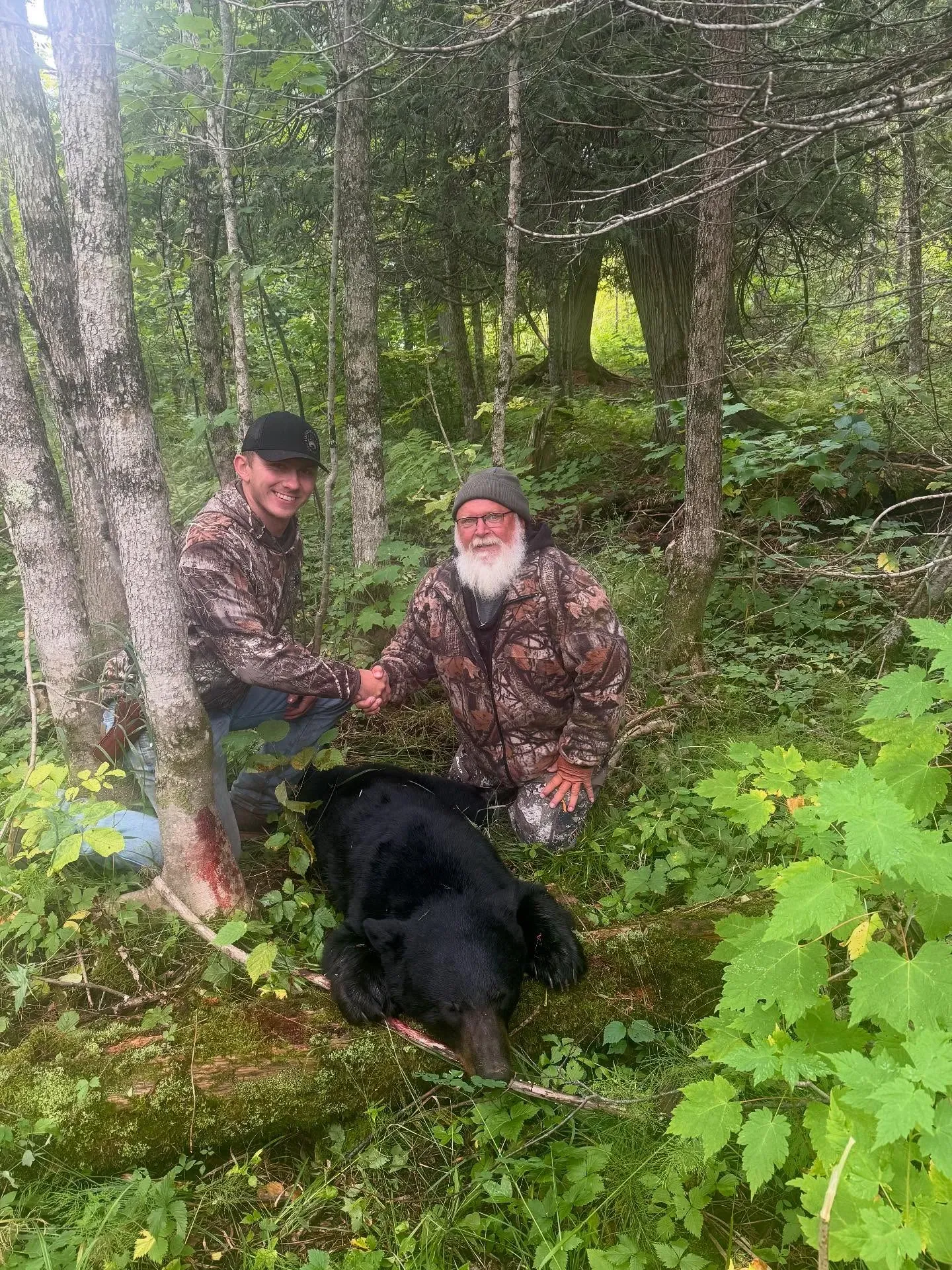
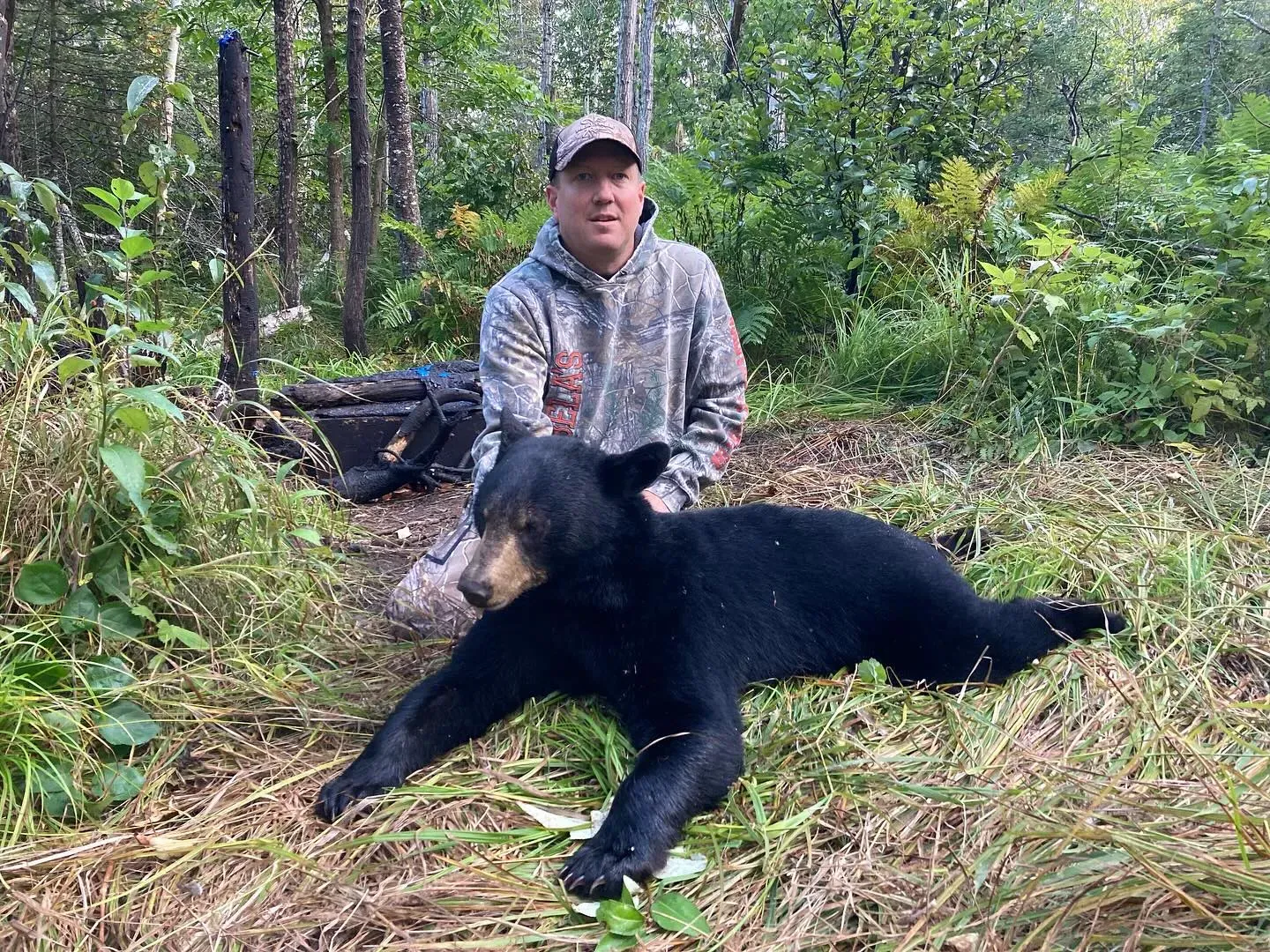
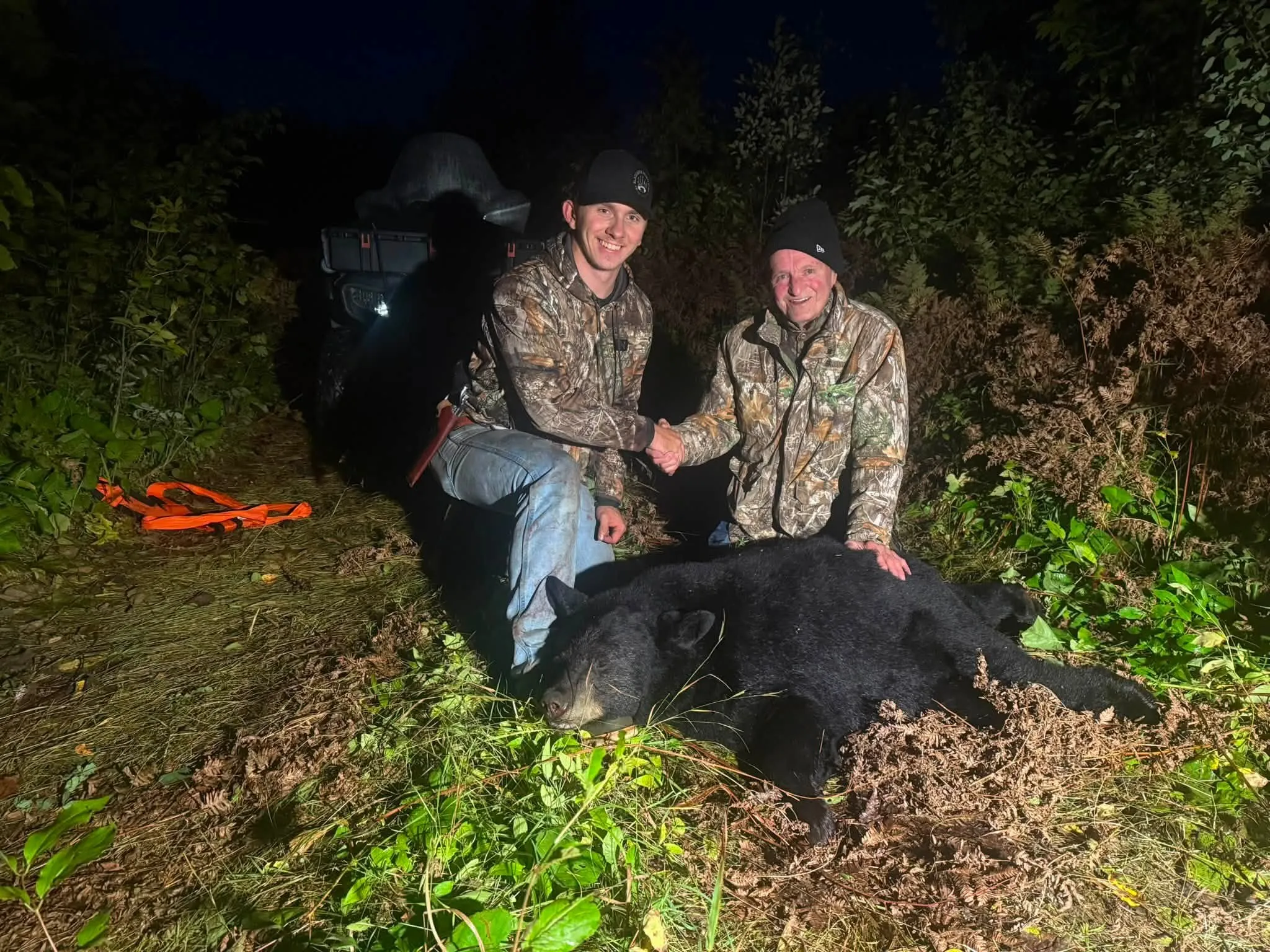
Black bear hunting requires additional preparation and maturity, making it more appropriate for older youth who can follow detailed safety instructions and remain focused during a stationary hunt.
- Ideal Starting Age Range: 13 to 15 years old, depending on maturity, physical ability, and applicable regulations.
- Action and Engagement Level: Medium. Afternoon sits over established bait sites can provide opportunities to observe wildlife behavior without requiring a pre-dawn start.
- Essential Gear Needed: A full-body safety harness when using a tree stand, appropriate legal firearm or archery equipment, mosquito protection, weather-appropriate clothing, and required safety gear.
- Top Family-Friendly Benefit: A structured schedule can make the experience more manageable while giving young hunters an opportunity to observe large-animal behavior and learn directly from an experienced adult.
Families planning black bear hunting MN trips should confirm current regulations, youth eligibility, supervision requirements, and permitted equipment before making arrangements.
Keeping It Fun: Survival Strategies for Parents in the Field
A successful family hunt is not measured only by the harvest. Keeping children comfortable, involved, and interested can make the experience far more meaningful and encourage them to return to the outdoors.
- Prioritize Comfort Over Harvests: Pay attention to how your child is handling the conditions. Cold, wet weather, hunger, or exhaustion can quickly turn an exciting outing into a negative memory. If a child becomes genuinely uncomfortable, taking a break or heading back to the cabin is often the better choice.
- Pack Plenty of Food: Bring warm drinks, filling snacks, and easy meals that can be enjoyed during breaks. A thermos of hot chocolate or a simple trail-side lunch can give children something enjoyable to look forward to during quieter periods.
- Give Them Responsibilities: Children are more likely to stay interested when they have a meaningful role. Let them carry binoculars, help operate a trail camera, identify tracks, record wildlife sightings, or assist with other age-appropriate tasks.
- Focus on Learning: Use the outing to teach wildlife identification, conservation, safe firearm handling, navigation, and respect for private and public land. These lessons can remain valuable long after the hunting season ends.
Bypassing the Stress with Blackbear Outfitters
Planning a family hunting trip means thinking about far more than the hunt itself. Parents have to prepare equipment, manage safety, choose suitable hunting locations, and keep younger hunters comfortable throughout the day. That responsibility can make organizing a first big-game experience feel overwhelming.
At Blackbear Outfitters, we bring 60 years of combined hunting experience to Minnesota's Northwoods, including the rugged terrain around Zone 31 near Finland. Our guided experiences give families the benefit of local knowledge, pre-scouted hunting locations, and practical field support. We understand that a family hunt is about more than pursuing game. It is about giving young hunters a safe opportunity to learn, participate, and experience the traditions of Minnesota's outdoors alongside the people who matter most.
Conclusion
A successful family hunt is about much more than filling a tag. It is an opportunity to teach children respect for wildlife, responsibility, conservation, and safe outdoor practices while creating memories that can become lasting family traditions. Choosing an age-appropriate activity, preparing for the weather, and keeping comfort and safety at the center can make the experience enjoyable for everyone.
For families considering black bear guided hunts, experienced local guidance can also make a first big-game adventure more organized and manageable. Plan your family's next Northwoods experience with Blackbear Outfitters and create a hunting memory your children will carry for years.
FAQs
1. What is the legal minimum age to hunt big game in Minnesota?
Minnesota does not have one universal minimum age for all big-game hunting. Age requirements and license rules vary by species and circumstance, so families should check current DNR regulations.
2. Can my child hunt in Minnesota without taking a firearms safety course?
Eligible hunters may use the Apprentice Hunter Validation under specific conditions. The apprentice must follow the program's supervision requirements and applicable hunting regulations.
3. Are enclosed box stands allowed on public land in Minnesota?
Stand rules vary by property and land-management regulations. Hunters should confirm the current regulations for the specific public land they plan to use before placing or hunting from a stand.
4. How much blaze orange clothing is required for youth hunters in Minnesota?
Required blaze-orange coverage depends on the specific hunting activity and current regulations. Hunters should review the Minnesota DNR requirements for their species, season, and hunting method.
5. What is the best age to introduce a child to hunting?
There is no single ideal age. Parents should consider the child's maturity, ability to follow safety instructions, physical comfort, attention span, and interest in spending time outdoors.
6. What is a good first hunting activity for a child?
Small game and waterfowl can be accessible starting points because they often involve more movement and observation. The appropriate choice depends on the child's age, abilities, and applicable regulations.
7. How can parents keep children comfortable during a hunting trip?
Dress children in layers, bring plenty of food and warm drinks, plan regular breaks, and choose a hunting location suited to their physical abilities and tolerance for sitting or walking.
8. Can teenagers participate in guided black bear hunts?
Older youth may be able to participate when they meet applicable age, licensing, supervision, and safety requirements. Families should verify current Minnesota regulations before planning the hunt.
9. What should parents teach children before their first hunt?
Children should understand firearm or archery safety, wildlife identification, hunting ethics, communication signals, staying with their supervising adult, and what to do if conditions become unsafe.
10. How can a guided hunt benefit a family?
A guided experience can reduce the planning burden while giving families access to local knowledge and field instruction. Parents can focus more closely on their child's safety, comfort, and learning experience.