/filters:format(jpeg,png)/fit-in/300x300/users/cd8ae681-8985-4468-9d6f-f9587e6e9715/company-logo/image-2025-03-29t135022.4811.png)
/filters:format(jpeg,png)/fit-in/237x80/users/cd8ae681-8985-4468-9d6f-f9587e6e9715/company-logo/image-2025-03-29t135022.4811.png)
Complete Guide to Minnesota Bear Hunting Zones
%2Ffit-in%2F1000x1000%2Ffilters%3Aformat(webp)%2Fguide_websites%2F29391%2Fimages%2F1743351723591image-2025-03-29t124532.627.png&w=1920&q=75)
Published: September 25, 2026
Minnesota offers a wide range of black bear habitat, from dense northern forests and wetlands to mixed woodlands bordering agricultural areas. These differences affect where bears are found, how they use the landscape, and how hunters approach the season.
The state divides bear hunting opportunities into management areas with different licensing structures and hunting conditions. Understanding those boundaries before applying for a license can help you avoid choosing an area that does not match your plans.
For hunters researching MN bear hunting zones, the process starts with more than finding an area with bears. Terrain, food availability, land access, hunting pressure, and license requirements all deserve attention. A good zone choice gives you a practical starting point for scouting and building your hunt around the conditions you are likely to encounter.
Quota vs. No-Quota: The Fundamental Split
Minnesota's bear hunting areas generally fall into two licensing categories. Knowing which category applies to your preferred area is important because the application process and availability of licenses can differ.
Quota Areas
Quota areas have a limited number of bear licenses available. Hunters seeking these licenses must apply through the state's drawing system during the designated application period.
The number of applicants and available licenses can vary by area and year. Preference points can also affect an applicant's position in the drawing. Hunters interested in a particular quota area should check the current Minnesota DNR regulations for application dates, eligibility requirements, and license availability.
No-Quota Areas
No-quota areas operate differently from quota areas. Instead of relying on a limited drawing, licenses may be available through the regular license-sales process, subject to current regulations.
These areas can provide another option for hunters who do not want their plans to depend entirely on a lottery. However, license availability does not eliminate the need for careful scouting. Habitat quality, food sources, property access, and local bear activity still determine how useful an area may be.
High-Priority Regions: Comparing Minnesota’s Key Bear Hunting Areas
Minnesota's bear habitat changes considerably from one region to another. Comparing location, terrain, bear activity, licensing requirements, and scouting conditions can help narrow down the areas that fit your hunting plans.
Region A: The Arrowhead Core
The Arrowhead is suited to hunters who prefer remote forest terrain and extensive natural cover. Its northern location creates different scouting conditions from the more developed areas farther south.
- Geographical Location: Northeastern Minnesota near the Canadian border and Lake Superior.
- Terrain and Habitat: The Arrowhead contains extensive boreal forest, wetlands, rocky terrain, and remote wooded areas. The landscape provides a mixture of dense cover and natural feeding areas.
- Bear Population Density: High density. Northern Minnesota is an important part of the state's black bear range.
- License/Drawing Considerations: Hunters should review the current quota designation and application requirements for the specific permit area they intend to hunt. Drawing demand can change from year to year.
- Scouting Consideration: Look for productive food sources near secure cover. Old forest openings, berry-producing areas, and other locations that provide both food and concealment can be useful starting points for scouting.
Region B: The North-Central Forest Corridor
The north-central corridor offers a mix of hardwood forests, wetlands, and lakes. Hunters can expect a more varied landscape, making food availability and seasonal bear movement important parts of the scouting process.
- Geographical Location: Central and north-central Minnesota, including forested areas surrounding major lake systems.
- Terrain and Habitat: The region features mixed forests of aspen, birch, oak, and other hardwoods, along with wetlands, lakes, and smaller forest openings.
- Bear Population Density: High density. The combination of forest cover and seasonal food sources makes this an important bear-hunting region.
- License/Drawing Considerations: Hunters should confirm whether their chosen permit area is quota or no-quota and review the current application and license requirements before making plans.
- Scouting Consideration: Pay particular attention to areas producing natural mast. Oak ridges can become important feeding locations when acorns are available, so checking food conditions as the season approaches can improve scouting decisions.
Region C: The North Shore and Zone 31 Area
Zone 31 and the surrounding North Shore country combine rugged terrain with extensive forest cover. Hunters planning to hunt here should account for elevation changes, drainage patterns, and the way bears use secluded travel routes.
- Geographical Location: Northeastern Minnesota along the Lake Superior North Shore and inland areas around Finland and Cook County.
- Terrain and Habitat: The landscape includes rugged forest, steep elevation changes, creek valleys, maple and birch stands, and sections of pine forest.
- Bear Population Density: High density. The broader northeastern region provides substantial forest habitat suitable for black bears.
- License/Drawing Considerations: Hunters should check the current licensing structure and requirements for Zone 31 and the specific permit area they plan to hunt. Application demand can change between seasons.
- Scouting Consideration: Creek drainages, wooded valleys, and areas connecting feeding locations with secure cover can be useful places to investigate. Look for fresh signs rather than relying only on previous-season activity.
Region D: The No-Quota Transition Zone
The transition zone provides a different hunting setting from Minnesota's deeper northern forests. Its combination of agricultural land and wooded cover can create concentrated movement corridors worth investigating during preseason scouting.
- Geographical Location: The transition between Minnesota's northern forest country and the more agricultural southern portions of the state.
- Terrain and Habitat: This area can include smaller woodlots, river bottoms, brushy cover, wetlands, and agricultural fields. Bears may use the edges where wooded cover meets reliable food sources.
- Bear Population Density: Variable. Bear activity can differ substantially between individual properties and habitat pockets.
- License/Drawing Considerations: Where no-quota licensing applies, hunters can avoid the uncertainty of a quota drawing, but they still need to follow all current license and season requirements.
- Scouting Consideration: Focus on connections between secure bedding cover and agricultural food sources. Field edges, brush corridors, and wooded waterways can reveal how bears move between cover and feeding areas.
The Logistics of the Draw: How Preference Points Work
For hunters planning Minnesota black bear hunting, understanding the license drawing process is just as important as selecting a promising hunting area. Preference points can influence your chances in quota areas, while other areas may offer different licensing options.
How Preference Points Accumulate
Hunters who apply for a quota bear license but are not selected can receive a preference point for the applicable drawing. Points can improve an applicant's position in future drawings, although the number needed to draw can vary by permit area and season.
The Surplus License Window
After the initial drawing, some licenses may remain available in areas that did not receive enough applications. These surplus licenses can be offered later, subject to current Minnesota DNR rules and availability. Hunters should monitor official announcements rather than assuming a specific date or number of remaining licenses.
Planning Around Your Points
A hunter who is not ready to pursue a specific area can consider applying for preference points, where permitted, to strengthen future drawing opportunities. Keep track of your accumulated points and review the latest bear hunting regulations in MN before submitting an application.
Navigating Public vs. Private Land Across Regions
Land access can significantly shape a strategy for bear hunting in Minnesota. Northern regions may provide extensive public forest opportunities, while areas closer to agricultural country can require more attention to private-property boundaries and landowner permission.
Public Land
State forests, national forests, and other public properties can give hunters access to large blocks of habitat. These areas may require longer walks and more detailed map work, but they can also provide opportunities to scout away from heavily used roads and developed areas.
Private Land
Private properties can offer productive habitat where wooded cover borders agricultural fields, wetlands, or other food sources. Hunters need permission before entering private property and should identify property boundaries before placing stands, bait, or other equipment.
Know the Rules Before You Hunt
Access does not change the requirement to follow state regulations. License requirements, season dates, baiting rules, legal shooting hours, and other restrictions apply according to the current regulations for the specific area.
Partnering With Blackbear Outfitters in Prime Territory
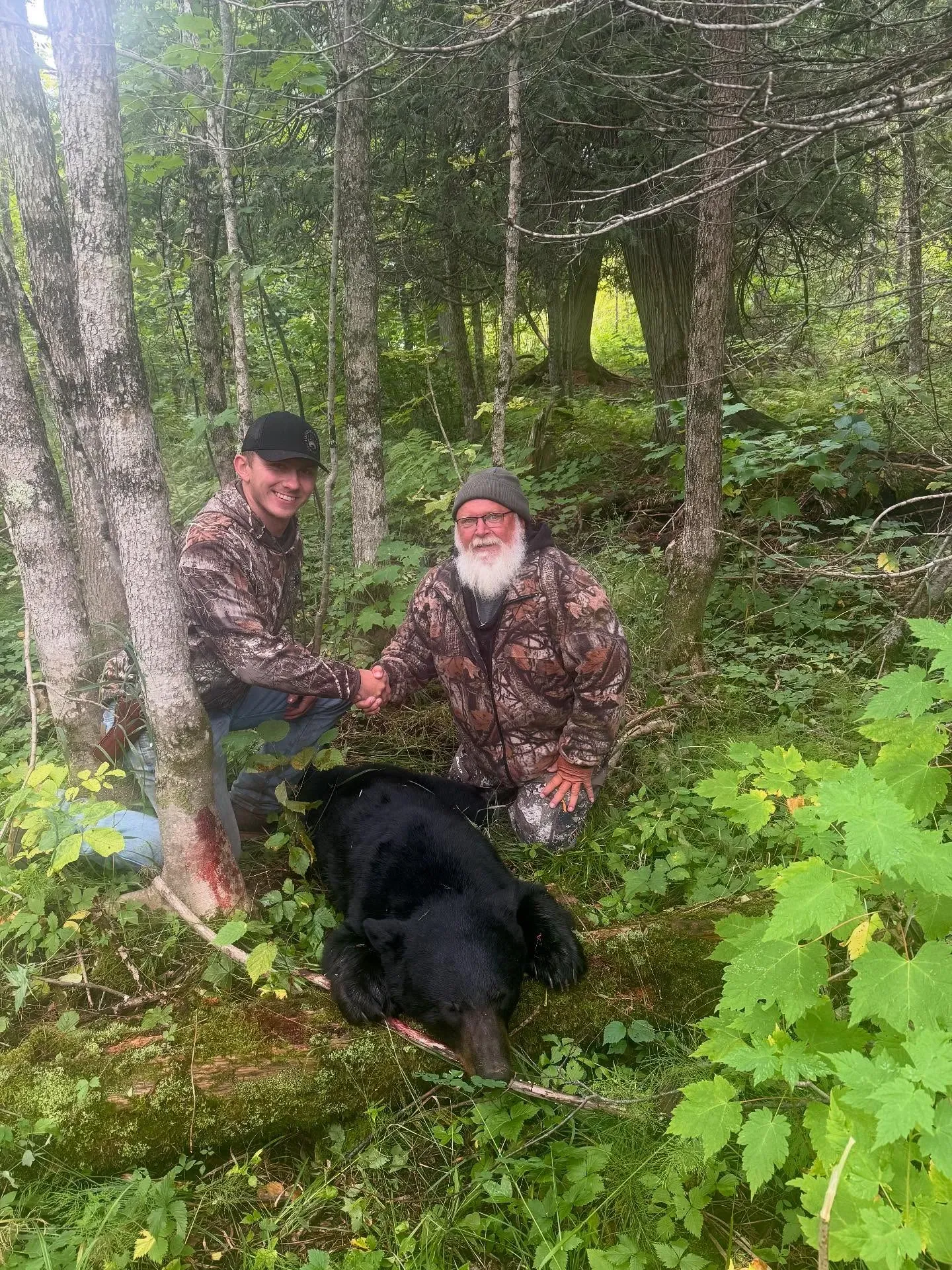
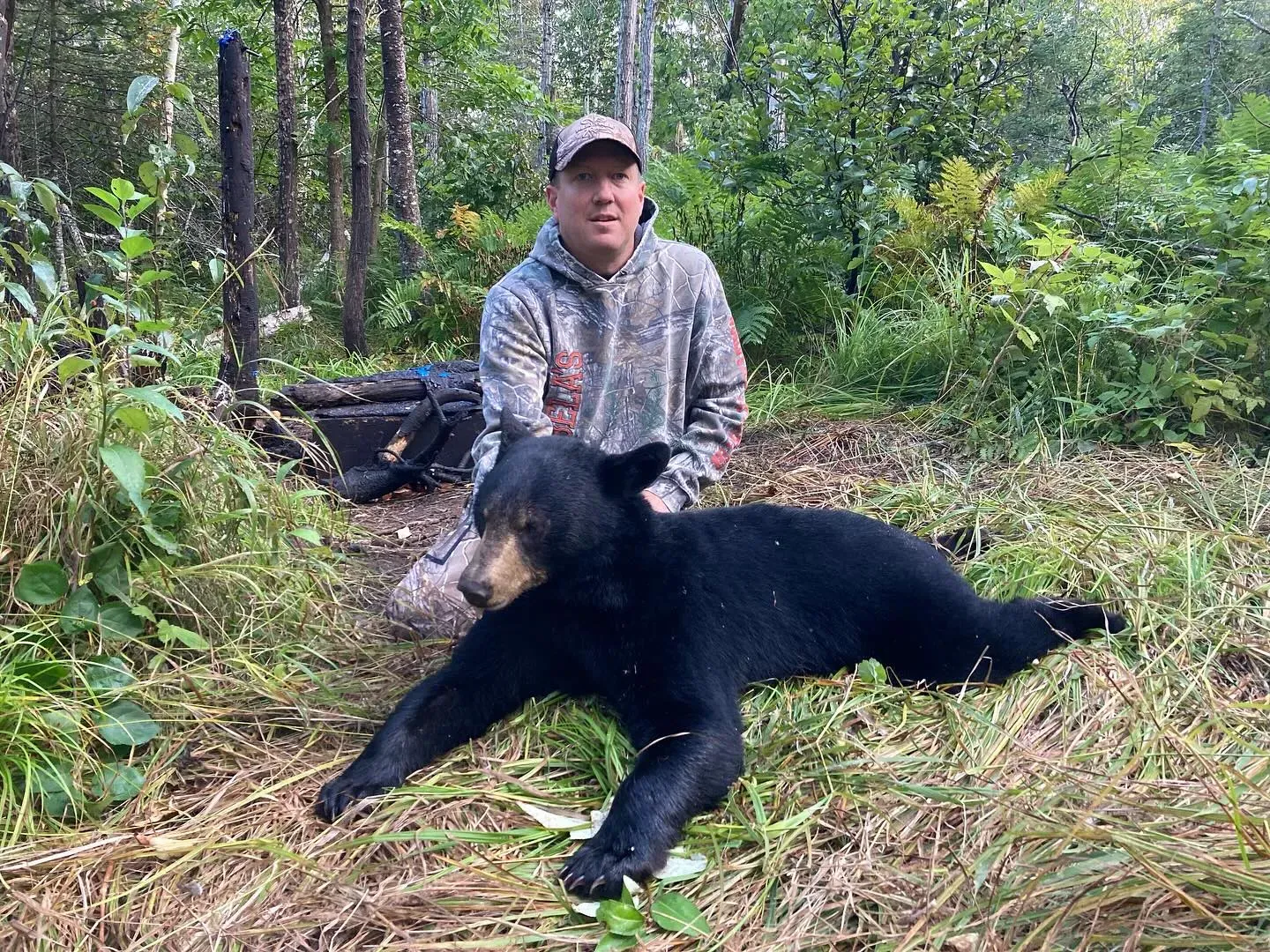
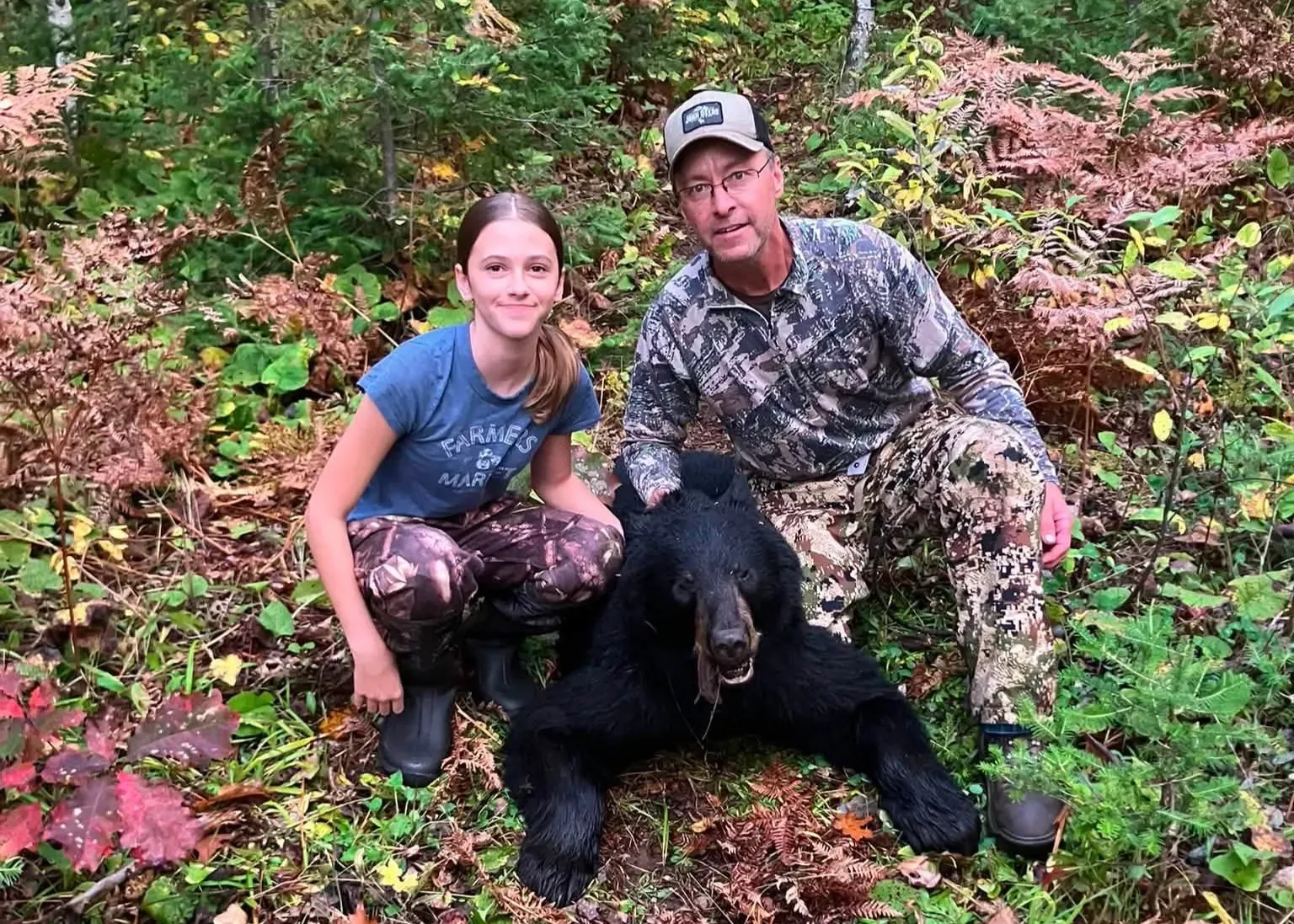
Planning guided bear hunts in Minnesota means choosing the right hunting area, understanding local bear movement, and preparing for the conditions you will encounter in the field. At Blackbear Outfitters, we use our knowledge of northern Minnesota to help clients spend their hunting time in productive areas.
Led by Kaleb Krech and Richard Krech, we bring 60 years of combined experience to our guided bear hunts. Our primary focus is the productive wilderness of Zone 31 near Finland and Duluth, where we have developed extensive knowledge of the terrain, bear movement, and seasonal conditions. We pre-scout both private and public hunting properties and maintain active stands throughout the season. Our preparation includes monitoring bear activity and checking hunting locations so clients arrive with a clear plan for each day. By handling much of the local scouting and mapping work, we make it easier for hunters to concentrate on the experience and the hunt.
Conclusion
Choosing the right area is an important part of planning a Minnesota bear hunt. The Arrowhead, north-central forests, Zone 31, and transition areas each offer different terrain, access, licensing considerations, and scouting opportunities. Understanding these differences helps you select a region that matches your hunting plans and prepare more effectively before the season.
If you want to spend your hunt in established bear country with experienced local guidance, Blackbear Outfitters can help you plan your next Minnesota bear hunt. Contact us to learn about available guided hunts and secure your spot for the upcoming season.
Frequently Asked Questions
1. How do I choose the right bear hunting zone in Minnesota?
Consider the area's licensing system, habitat, bear activity, land access, and your preferred hunting style. Always verify current DNR regulations before applying.
2. What are Minnesota bear hunting zones?
Minnesota divides bear habitat into designated management areas that help regulate hunting opportunities and license distribution.
3. Do all Minnesota bear hunting zones require a lottery?
No. Minnesota has both quota and no-quota areas. Licensing requirements depend on the specific permit area and current regulations.
4. What is a quota bear hunting area?
A quota area has a limited number of licenses available. Hunters generally apply during the designated drawing period, with preference points potentially affecting selection.
5. Can I hunt bears on public land in Minnesota?
Yes, where hunting is permitted. State forests, national forests, and other public lands can provide bear-hunting opportunities, but hunters must follow property-specific rules and state regulations.
6. Is private land good for bear hunting in Minnesota?
Private land can provide productive habitat, particularly where wooded cover connects with agricultural food sources. Hunters must obtain permission before hunting private property.
7. What should I look for when scouting a bear hunting area?
Focus on food sources, thick cover, travel corridors, water sources, fresh tracks, scat, claw marks, and other recent signs of bear activity.
8. What is Zone 31 known for?
Zone 31 is located in northeastern Minnesota and includes forested, rugged terrain around areas such as Finland and Cook County. Local conditions and hunting opportunities should be confirmed through current regulations.
9. Can I use a guide when hunting in a quota area?
A guide can help with scouting, land access, and field preparation, but the hunter must still meet all licensing and regulatory requirements for the applicable area.
10. When should I start planning a Minnesota bear hunt?
Start well before the season. Licensing deadlines, quota applications, land access, travel arrangements, and guided hunt availability can all affect your plans.